


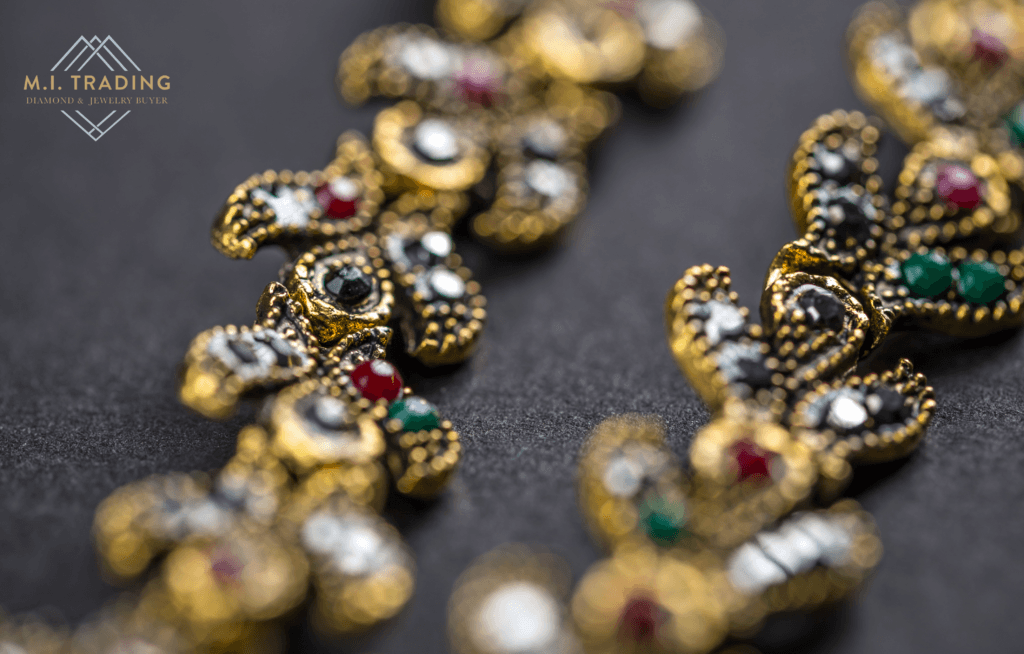
Inherited pieces can bring up a quiet mix of emotions. A ring may remind you of someone you loved. A gold bracelet may sit in a drawer because you are unsure what to do with it. A set of silverware, a diamond pendant, or an old watch may carry family history, yet you may have no clear idea whether it has strong market value.
Many people inherit jewelry, diamonds, gold, silver, watches, or estate items without receiving much information about them. You may know who owned the piece, when it was worn, or why it mattered to your family. The harder question is usually financial: What is it actually worth today?
Learning the real value of inherited pieces gives you room to think clearly. You can decide whether to keep them, divide them among family members, sell them, or simply document them for the future. A careful jewelry evaluation gives you facts before emotion or guesswork takes over.
Why Inherited Pieces Can Feel Hard To Sort Through
Inherited pieces often arrive during emotional moments. They may come after the loss of a parent, grandparent, spouse, or relative. Even when the items are beautiful, the decision-making process can feel sensitive.
You may feel unsure about selling something that belonged to someone important. You may wonder if another family member expects you to keep it. You may worry about making the wrong choice too quickly.
There is also a practical side. Estate jewelry boxes rarely come with clear labels. A drawer may hold gold chains, broken bracelets, old engagement rings, loose stones, cufflinks, coins, watches, silver flatware, and costume jewelry all mixed. Some pieces may have stamps or markings. Others may have none. A few may look valuable and turn out to have modest resale value. Some plain-looking items may hold more value than expected because of metal content, diamond quality, designer name, rarity, or condition.
A common assumption is that age automatically means high value. Older jewelry can be valuable, yet age alone does not determine price. Another assumption is that sentimental value and market value rise together. A ring that means everything to a family may have a modest resale value if the diamond is small, damaged, heavily included, or set in a low-value metal. On the other hand, a piece that no one in the family wears may contain a high-quality diamond, platinum, or a desirable signed design.
Sorting inherited pieces works best when you separate emotion from information. You do not have to make a selling decision right away. First, learn what you have. Then you can decide what feels right.
What Makes Inherited Jewelry Valuable Or Ordinary
The value of inherited pieces depends on several factors working together. No single detail tells the whole story.
Metal content is one of the first things buyers review. Gold, platinum, and silver each have market values that change over time. A piece marked 14K, 18K, 22K, PT950, sterling, or 925 may contain precious metal. Weight matters too. A heavy gold bracelet will usually have more metal value than a thin chain, assuming the same karat.
Diamonds and gemstones add another layer. Diamond value depends on cut, color, clarity, carat weight, shape, natural origin, treatment status, and market demand. A large diamond may seem impressive, but quality can affect the offer significantly. A smaller diamond with strong color, clarity, and cut may hold more value than a larger stone with visible damage or poor proportions.
Gemstones require careful review. Sapphires, rubies, emeralds, and other colored stones can vary widely in value. Origin, treatment, color saturation, size, and condition all matter. Some stones are natural. Some are lab-created. Some have treatments that are common in the trade, while others may affect resale value more strongly.
Brand and craftsmanship can also matter. Signed jewelry from respected designers may carry value beyond metal and stone content. Estate pieces with fine workmanship, strong design, or collectible appeal may attract more interest. However, a famous-looking style does not always mean a famous maker. Clear markings, documentation, and expert review help avoid confusion.
Condition plays a large role. Broken clasps, chipped stones, worn prongs, missing diamonds, bent settings, and heavy scratches can affect resale potential. Some buyers may value an item mainly for materials if repair costs outweigh the finished jewelry value.
Market demand matters as well. Certain styles sell more easily than others. Engagement rings, diamond studs, gold chains, tennis bracelets, luxury watches, and designer jewelry often have clearer resale channels. Highly personal, outdated, or heavily customized pieces may appeal to a smaller group of buyers.
A careful evaluation helps you understand which parts of the item create value. That explanation matters because it reduces second-guessing.
Smart Ways To Review Diamonds, Gold, And Estate Jewelry
Before you bring inherited pieces in for evaluation, gather them in a way that keeps the process simple. You do not need to know every detail in advance. A little organization can help you feel more prepared.
Start by grouping similar items. Place rings together, chains together, watches together, silverware together, and loose stones in a secure container. Avoid cleaning old jewelry with harsh chemicals. Some pieces may have delicate settings or treated stones that need care.
Look for markings, but do not rely on them completely. Gold jewelry may have karat stamps, such as 10K, 14K, 18K, or 22K. Platinum may show PT, PLAT, or 950. Sterling silver may show 925 or sterling. Designer jewelry may have a maker’s mark. These markings can be helpful, but they can wear down, be misread, or appear on items that need further testing.
Keep any paperwork you find. Diamond reports, old receipts, service records, watch boxes, certificates, handwritten notes, and insurance documents may provide useful background. Even outdated paperwork can help identify a piece or confirm details worth reviewing.
For diamonds, avoid judging value by size alone. A diamond’s appearance can be affected by cut quality, inclusions, color tone, fluorescence, and damage. Loose diamonds may be easier to examine than mounted diamonds, though mounted stones can still be reviewed closely.
For gold, remember that value is tied to karat, weight, and current metal prices. Two gold rings may look similar but differ in value if one is 10K and the other is 18K. A buyer should be able to explain how metal purity and weight factor into the offer.
For estate jewelry, the finished piece may matter more than scrap value. A well-made antique ring, signed brooch, or designer bracelet may deserve review as a complete item before being considered only for metal or stone value.
This is where a transparent process helps. The strongest evaluations are calm, clear, and educational. You should be able to ask questions without feeling rushed. You should understand the reasoning behind the value before deciding what to do next.
Why Written Details, Photos, And History Can Help
Family history can help you understand inherited pieces, even when it does not always increase market value. A note from a relative, an old receipt, or a photo of someone wearing the piece can provide context. That context may help you decide what to keep, what to pass down, and what to sell.
Written details can also prevent confusion among family members. If several people are involved, simple documentation can reduce tension. List each item, take clear photos, and write down any known information. Include details such as who owned it, when it may have been purchased, whether paperwork exists, and whether any family member has a personal attachment to it.
Photos are useful before and after evaluation. Take pictures of each piece in good lighting. Capture stamps, clasps, stone settings, watch faces, serial numbers, and any visible damage. For silverware, photograph the pattern, maker marks, and full set if possible.
Documentation helps create a more organized conversation with a buyer. It can also help if you decide to get multiple opinions. When you keep your records clear, you can compare explanations more fairly.
Still, paperwork needs careful interpretation. An old insurance document may show a replacement value, which can differ from the resale value. A receipt may show what someone paid decades ago, but the current market may have changed. A diamond report may be helpful, especially if it comes from a respected lab, yet the condition of the stone still matters today.
The key is to treat documents as clues, not final answers. They support the evaluation. They do not replace the current review by someone who can examine the item directly.
A good buyer will look at the item in front of them, explain what affects value, and answer questions in plain language. That explanation gives you a better foundation than a number without context.
How A Private Evaluation Can Give You Clear Answers
A private evaluation gives you space to understand inherited pieces without pressure. This matters because many sellers feel cautious before meeting with a buyer. They may worry about being rushed, judged, or offered far less than the item is worth.
A calm appointment should feel different. You bring in the pieces, ask questions, and learn how each item is reviewed. The buyer examines the jewelry, diamonds, gold, silver, watches, or estate pieces and explains the value factors in a way you can follow.
For many people, the relief comes from finally knowing what they have. A box of unknown jewelry becomes a clearer set of decisions. You may learn that a few pieces have strong resale value. You may find that some items are better kept for sentimental reasons. You may decide to sell only part of the collection and hold onto the rest.
You should never feel forced to decide on the spot. A respectful evaluation gives you information first. The decision comes after.
When choosing where to take inherited pieces, look for transparency, experience, and patience. A trustworthy buyer should explain the evaluation process, answer your questions, and give you room to think. They should be clear about what affects value, including metal content, diamond quality, gemstone condition, brand, demand, and resale factors.
Be cautious with fast quotes that come without explanation. Quick numbers may feel convenient, but they can leave you wondering if you missed something. An informed offer should make sense when it is explained.
Inherited pieces deserve careful handling because they often carry memory, money, and family meaning in the same small box. You do not have to know everything before asking for help. You only need a safe place to start.
Once you understand the real value, the next step becomes easier. You can keep what matters, sell what no longer fits your life, and move forward with fewer doubts.