


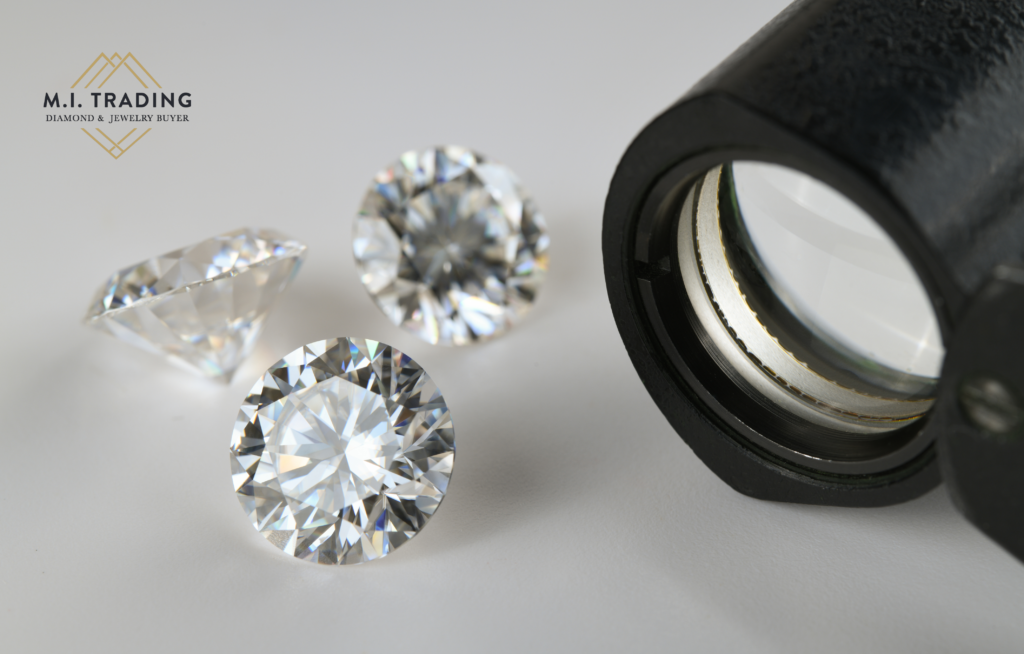
Lab-grown diamond resale value often becomes a question once you start thinking about selling. What actually happens next?
That question usually carries some uncertainty. You may have bought the diamond recently, received it as a gift, or simply stopped wearing it. Finding clear and consistent information about the resale market can feel difficult.
Understanding lab-grown diamond resale value brings a sense of clarity. With a realistic view of how the market works, you can stop second-guessing, sorting through mixed opinions, or worrying about making the wrong call.
The Truth Behind Lab-Grown Diamond Resale Value
Lab-grown diamonds are real diamonds in structure and appearance. They offer an accessible option for buyers who value size, clarity, and modern production methods.
The resale market operates under different conditions. It is shaped by demand, supply, and how easily an item can be replaced.
At this time, lab-grown diamonds have a very limited presence in the resale market. Most buyers focus on items that hold consistent demand over time. Lab-grown diamonds are still developing their position in that space.
This distinction often creates confusion, especially for those who purchased based on retail experience rather than long-term resale considerations.
Why Lab-Grown Diamond Resale Value Is Often Limited
The difficulty in reselling lab-grown diamonds comes down to availability.
These diamonds can be produced in large quantities using advanced technology. As production continues to expand, more stones enter the market at lower price points.
When buyers can easily access new lab-grown diamonds at competitive prices, interest in pre-owned stones is limited. This affects how resale opportunities develop.
This is not a reflection of the diamond’s appearance or quality. It reflects how the broader market responds to supply and accessibility.
What Shapes Lab-Grown Diamond Resale Value Today
Several factors influence how lab-grown diamonds are viewed in resale situations:
- Ongoing production and availability
- Declining retail prices over time
- Buyer preference for new inventory
- Limited secondary market demand
Even well-cut, high-clarity lab-grown diamonds face the same conditions. The resale outcome depends more on market behavior than on individual characteristics.
Understanding these factors helps set expectations before entering any selling conversation.
How Market Supply Affects Lab-Grown Diamond Resale Value
Supply plays a central role in resale value.
Lab-grown diamonds continue to become more accessible as production methods improve. This creates a steady flow of new diamonds available to buyers at various price points.
Because of this, many buyers choose new stones rather than pre-owned ones. This pattern reduces activity in the resale market.
When an item is widely available and easy to replace, resale demand tends to remain limited.
Lab-Grown Diamond Resale Value vs Natural Diamonds
Natural and lab-grown diamonds exist in the same category visually, but they follow different market paths.
Natural diamonds are finite resources. Their availability depends on mining, which creates a level of scarcity. That scarcity supports ongoing demand in both retail and resale markets.
Lab-grown diamonds are produced in controlled environments with increasing efficiency. Their availability continues to grow, which shapes how buyers approach them in resale settings.
This comparison helps explain market behavior. It does not define personal value or preference.
Common Misconceptions About Lab-Grown Diamond Resale Value
Many expectations come from the initial purchase experience.
Some common assumptions include:
- Expecting resale value to align with purchase price
- Believing certification ensures resale demand
- Assuming visual similarity leads to similar resale outcomes
These ideas are understandable. Retail environments often focus on appearance and pricing at the time of sale.
Resale markets operate differently. They reflect current demand, not past purchase conditions.
Can Lab-Grown Diamond Resale Value Change Over Time?
It is natural to wonder whether resale conditions may shift.
At present, production continues to expand, and retail prices continue to adjust downward. These trends suggest that resale demand may remain limited for the foreseeable future.
A change in resale value would require a shift in how the market views supply and long-term demand.
Right now, the market remains focused on accessibility and new inventory.
What Buyers Look For When Assessing Lab-Grown Diamond Resale Value
Buyers approach lab-grown diamonds with a practical mindset.
They consider:
- How easily the diamond can be replaced with a new one
- Current pricing for similar stones in retail settings
- Whether there is active demand in the resale market
These factors guide their decisions more than the original purchase price.
This approach helps explain why selling lab-grown diamonds can feel challenging for some owners.
Why Retail Price Does Not Reflect Lab-Grown Diamond Resale Value
Retail pricing includes design, branding, and the experience of purchasing the piece.
Resale pricing reflects what a buyer can realistically recover in the current market.
For lab-grown diamonds, the availability of newer stones at lower prices influences this gap.
Understanding this difference removes confusion and helps you interpret resale conversations more clearly.
When Understanding Lab-Grown Diamond Resale Value Matters Most
This topic becomes especially relevant when you are:
- Reviewing jewelry you no longer wear
- Considering selling after a life change
- Organizing inherited pieces
- Exploring the financial value of personal items
Clear information helps you move forward without uncertainty.
How to Approach Decisions Around Lab-Grown Diamond Resale Value
A clear understanding of the market allows you to make informed decisions.
If your jewelry includes natural diamonds, gold, or other items with established resale demand, those may offer different opportunities.
At M.I. Trading, the focus is on items that have an active resale market. This allows for clear, transparent evaluations based on real demand.
Lab-grown diamonds currently fall outside that scope due to limited resale activity. This is simply a reflection of how the market functions today.
If you are unsure about what you have, a conversation can still bring clarity. You leave with a better understanding of your items and how they fit into the current market.
Final Thoughts on Lab-Grown Diamond Resale Value
Lab-grown diamonds serve a clear purpose in today’s market. They offer an accessible option for buyers who value design and appearance.
Resale conditions follow a different path shaped by supply and demand.
When you understand that distinction, decisions become easier. You gain clarity, avoid uncertainty, and move forward with confidence based on how the market actually works today.