
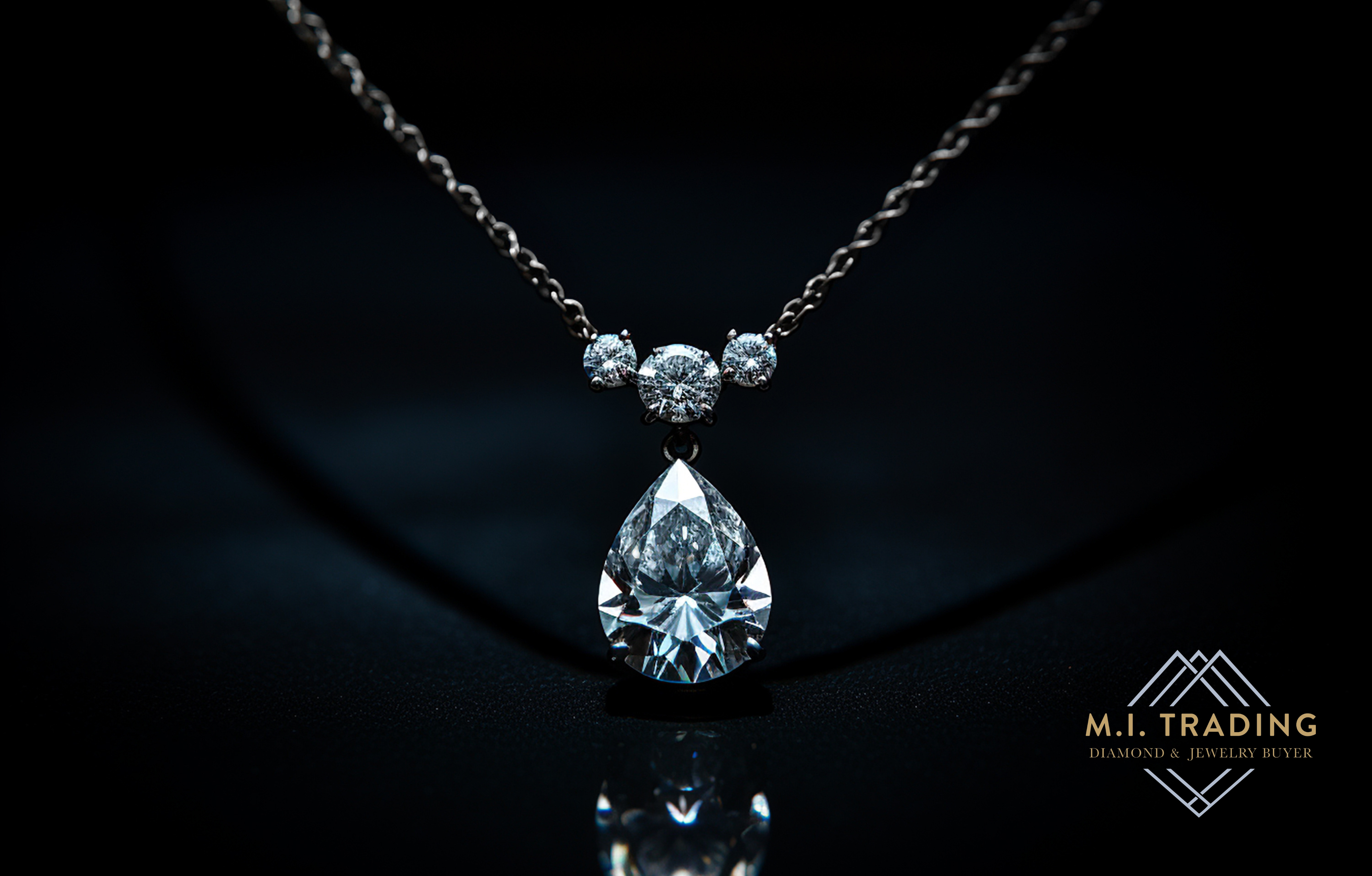
Parting with a diamond is never just a financial decision; it often carries stories of love, family, or change. That’s why many people today are turning to ethical diamond selling. It’s not simply about receiving a fair price; it’s about working with a trusted jeweler who treats your piece with respect. In Austin, sellers want clarity, honesty, and peace of mind when they sit across the table from a local expert. This approach ensures your diamond jewelry is valued for what it truly represents, both in worth and in meaning.
1. Why Ethical Diamond Selling Matters Today
Selling a diamond isn’t just a transaction; it’s a moment filled with memory and trust. Ethical diamond selling means receiving fair value while ensuring your natural diamonds aren’t treated as just another commodity. It safeguards your emotions, your investment, and helps support responsible sourcing within the diamond industry.
For Austin locals, this commitment reflects a responsible choice, an alternative to the trade of conflict diamonds that still harm communities worldwide. Ethical selling also reinforces awareness of the Kimberley Process, designed to stop the flow of blood diamonds and encourage responsible mining practices.
When you choose an ethical path, you will not only protect your own interests but also help reinforce a culture where diamonds are handled with dignity, transparency, and care. Sellers find comfort in knowing their stone is part of a broader effort to support human rights and the environment.
2. Protecting Your Peace of Mind When Letting Go of Jewelry
Parting with fine jewelry can be deeply emotional. A reputable jeweler will ask thoughtful questions, explain how they assess a cut diamond, and show how certified diamonds are graded. That reassurance of knowing your solitaire ring or engagement ring is handled with respect brings peace of mind.
Imagine a seller walking into a private appointment with a diamond engagement ring passed down through generations. A trusted buyer doesn’t just weigh and measure the stone; they listen to the story behind it. That personal touch reassures the seller that their piece won’t be rushed through as just another number.
For many people in Austin, this sense of dignity matters as much as the money received. Ethical buyers understand that every gemstone carries memories, and their role is to honor that history while ensuring a fair and responsible sale.
3. The Hidden Risks of Quick-Cash Buyers
Some buyers focus only on mined stones as if they were interchangeable. They may fail to distinguish between conflict-free diamonds, ethically sourced diamonds, or even lab-grown diamonds. Without proper GIA training, they might overlook whether your loose diamonds or gemstones meet ethical or environmental standards.
Quick-cash buyers often don’t explain their valuations, leaving sellers vulnerable. Many promise instant cash but rarely offer transparency. Some may even downplay the value of your certified diamonds to pressure you into accepting less. Sellers who don’t compare offers may later regret handing over a valuable stone for far below its worth.
The safest option is working with a buyer who practices ethical sourcing, values traceability, and can explain how the diamond industry determines fair value. That extra time spent can mean the difference between a rushed sale and one you feel good about months or years later.
4. A Step-by-Step Look at Austin’s Trusted Process
Here’s how a trusted local expert in Austin typically works:
- Initial contact: You reach out online or in person. They listen first.
- Examination: Your mined diamond or lab-created diamond is checked carefully for weight, cut, and clarity.
- Explanation: They describe how market trends, responsible sourcing, and demand for ethical jewelry affect value.
- Offer: You receive a transparent offer that reflects today’s diamond industry standards.
- Decision: You choose, no pressure, no rush.
- Completion: If you accept, payment follows promptly, with privacy and respect.
What makes this process different is the education along the way. Sellers often leave knowing more about the Kimberley Process, how conflict-free diamonds are defined, and why lab-grown diamonds offer the same beauty and brilliance as mined diamonds. Even if they don’t sell immediately, they walk away better informed, a sign of an honest buyer.
5. Trust and Transparency: The Cornerstones of a Fair Deal
Trust grows when a buyer shows how your diamonds are sourced and why they hold value. Transparency might include explaining the Kimberley Process or pointing out that lab-grown diamonds are free from the ethical challenges tied to unsafe mining operations.
In Austin, sellers consistently praise buyers who explain every step. Instead of a simple “here’s the offer,” they hear why a solitaire ring or ethical engagement ring carries a certain value. That clarity turns a potentially stressful meeting into an empowering one.
The best buyers don’t just offer money; they give peace of mind. Knowing your diamond jewelry is evaluated responsibly makes the decision easier, whether you’re ready to sell now or later.
6. Common Myths About Ethical Diamond Selling, Debunked
- Myth: All buyers undervalue.
- Truth: Reputable experts explain their offers and compare certified diamonds openly.
- Myth: Only national chains can be trusted.
- Truth: Austin’s local jewelers often provide more personal service and highlight responsibly sourced options.
- Myth: Selling fast is always best.
- Truth: Taking time ensures your diamond engagement or solitaire ring is valued fairly, not rushed into the wrong hands.
Another myth is that lab-grown diamonds are “fake.” In reality, lab-created diamonds are chemically identical to mined stones and often considered more environmentally responsible. By addressing these misconceptions, sellers gain clarity and confidence.
7. Ethical Engagement Rings Explained
Many people today ask about buying or selling an ethical engagement ring. These rings are made with responsibly sourced diamonds or lab-grown diamonds, ensuring both the environment and human rights are protected.
If you’re selling one, buyers will pay attention not only to the center diamond but also to whether it’s an ethically sourced diamond. A seller who can provide documentation, such as proof of traceable diamonds or GIA certification, often receives stronger offers.
Ethical engagement rings also resonate with younger buyers who want their purchases to reflect their values. That demand helps keep prices fair for sellers who choose ethical channels.
8. Lab-Grown vs. Natural Diamonds
When selling, you may be asked whether your stone is a lab-grown diamond or a natural diamond. Both carry value, but in different ways.
Lab-created diamonds are praised for being environmentally responsible, created under safe conditions, and free from issues like child labor. On the other hand, a mined diamond that’s certified conflict-free still holds strong market appeal.
For sellers, the key is knowing the distinction. Some Austin buyers specialize in lab-grown diamonds, while others prefer responsibly mined stones. An honest buyer will explain where your diamond fits in the current market so you can make an informed choice.
9. The Kimberley Process in Simple Terms
The Kimberley Process was designed to prevent blood diamonds from entering the global market. It ensures that diamonds are sourced legally, without funding violence.
For sellers, this matters because buyers who respect the Kimberley Process can explain how your ethically sourced diamonds contribute to responsible mining and fair wages. By understanding this certification, you can feel confident that your sale supports the global effort to reduce the harm caused by unregulated mining operations.
10. Conflict-Free Diamonds Defined
A conflict-free diamond means it has not been used to finance wars or violence. When selling, knowing that your diamonds are created or mined responsibly can reassure both you and the buyer.
In Austin, many clients specifically ask if their piece qualifies as conflict-free, and honest jewelers take the time to explain what that really means. Ensuring that the diamond aligns with your values and the market’s growing demand for responsible sourcing.
11. Finding a Local Expert Who Truly Listens
In Austin, supporting skilled local buyers helps the community and ensures high standards. Experienced professionals understand the difference between lab-grown and responsibly mined stones, explain ethical sourcing, and highlight why traceable diamonds build confidence.
Reviews often praise how these experts listen and handle diamond jewelry with care. That listening matters, because when you’re parting with something precious, you want to feel your story is heard, not just your stone appraised.
12. Final Takeaway: Confidence Comes From Clarity
When ethical diamonds are mined responsibly, and lab-created diamonds are explained clearly, sellers gain more than a financial return; they gain peace of mind. Trust sits at the heart of every meaningful exchange, and that trust grows when a buyer takes the time to explain not only the numbers but also the story behind the value of your stone.
For many in Austin, selling a diamond is tied to life’s turning points: marriage, inheritance, or personal change. Knowing that your diamond is part of responsible sourcing allows you to feel that those moments are honored rather than reduced to a price tag. You leave with a fair payment, yes, but also with the comfort of knowing your jewelry has been treated with integrity.
That is what ethical diamond selling represents: clarity, respect, and confidence. It ensures your memories are preserved, your values are reflected, and your choice contributes to a diamond trade that is safer, more transparent, and more considerate of both people and the environment.
Recent Comments