


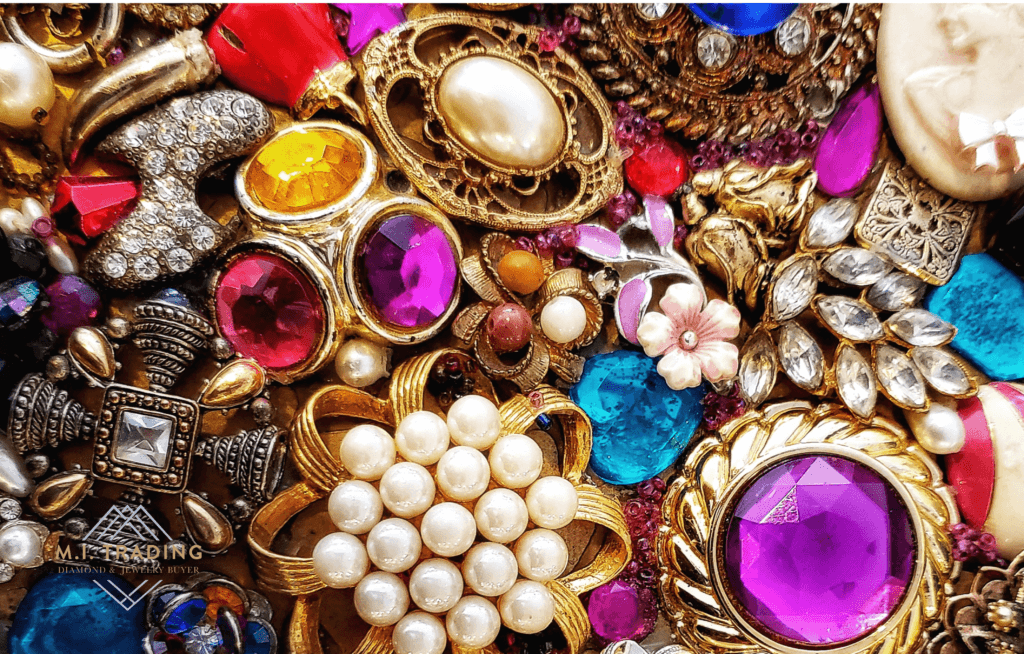
Old jewelry can sit in a drawer for years before someone finally asks what it may be worth. A ring that no longer fits, a necklace from a past relationship, a bracelet inherited from family, or a box of mixed estate pieces can all carry meaning. Some pieces feel sentimental. Some feel heavy. Some simply feel unused.
That mix of emotion and uncertainty is why deciding what to do with old jewelry can take time. Many people are unsure whether they should sell, keep, repair, pass it down, or have it reviewed by a jewelry buyer. The value may be financial, personal, historical, or a mix of all three.
Understanding old jewelry value gives you room to think clearly. You do not need to know every technical detail before having a piece reviewed. You only need a careful look, clear explanations, and enough information to make a choice that feels right.
For many sellers, the biggest questions are practical: Is this piece real? Does the diamond have value? Is the gold worth selling? Does the style matter? Could an old piece be worth more than expected? What should I watch for before accepting an offer?
The more you understand, the easier it becomes to decide.
Why Old Jewelry Can Be Hard to Let Go
Old jewelry often carries stories. A wedding ring may remind someone of a chapter that ended. A pendant may have belonged to a parent or grandparent. A gold bracelet may represent a gift, a milestone, or a time in life that still feels personal.
That emotional weight can make a simple financial question feel complicated. Selling old jewelry may feel practical, but it can also feel final. Keeping it may feel comforting, but it can also leave valuable pieces unused for years.
Many people delay the decision because they worry about regret. They wonder if they are selling too soon, accepting too little, or letting go of something that someone else in the family may want later. These are reasonable concerns. Jewelry is small, but the memories attached to it can feel large.
A calm evaluation helps separate the emotional side from the value side. You can learn what affects the piece’s worth without being pushed toward an immediate decision. That space matters. Once you understand the materials, condition, stones, craftsmanship, and market demand, the decision becomes less confusing.
Some people choose to sell after learning the value. Others decide to keep the piece. Both choices can be valid. The purpose of a good evaluation is to help you understand what you own so you can move forward with confidence.
Old jewelry should be handled with respect, especially when family history or personal memories are involved. A rushed conversation can make the process feel uncomfortable. A clear, patient explanation can make it feel manageable.
Key Details That Shape Old Jewelry Value
Old jewelry value depends on several factors. A piece may have value because of its metal, gemstones, craftsmanship, age, condition, design, or market demand. The strongest pieces often have more than one value factor working together.
Precious metal content is one of the first things buyers review. Gold, platinum, and silver each have their own market value. With gold jewelry, karat purity matters. A 14k gold ring and an 18k gold ring may look similar at first, but their gold content is different. Weight also matters, especially for heavier chains, bracelets, and solid pieces.
Gemstones can also affect value. Diamonds are commonly reviewed by cut, color, clarity, carat weight, condition, and overall desirability. Other gemstones, such as sapphires, rubies, emeralds, and certain antique stones, may also add value depending on quality and market interest.
The setting and craftsmanship can influence the result. A piece, a detailed vintage setting, or a well-constructed estate item may deserve closer attention than a mass-produced piece with heavy wear. Design alone does not guarantee a strong offer, but it can affect how the item is viewed.
Condition plays a real role. Broken clasps, missing stones, worn prongs, bent rings, deep scratches, and damaged settings may reduce resale potential. Damaged jewelry can still have value through its metal content, stones, or reusable parts. A broken gold bracelet, for example, may still be worth reviewing.
Paperwork can help when available. Diamond reports, receipts, prior evaluation documents, original boxes, and service records may give useful background. A lack of paperwork does not mean the jewelry has no value. Many older pieces were passed down without documents. A trained review can still identify important details.
Market demand changes over time. Some styles sell easily because buyers currently want them. Other pieces may be valued mainly for metal and gemstone content. A buyer should explain this clearly instead of giving a number with no context.
That explanation matters because old jewelry value is rarely based on one detail. It comes from the full picture.
Strong Signs Your Piece Deserves a Closer Look
Some old jewelry pieces are worth reviewing even if they look outdated, damaged, or simple. Many sellers assume a piece has little value because it has been sitting unused, looks worn, or no longer matches modern taste. That assumption can lead to missed value.
A piece deserves a closer look if it contains diamonds or colored gemstones. Even small stones may have value depending on quality and quantity. Larger diamonds should always be reviewed carefully, especially if they are loose, set in older rings, or paired with paperwork.
Gold markings are another sign. Look inside rings, on clasps, or along the back of pendants for stamps such as 10k, 14k, 18k, 22k, 750, 585, or similar marks. These stamps can suggest gold content, although they should still be verified during an evaluation.
Platinum markings can also be important. Older platinum rings and settings may carry strong value because of the metal and possible diamond quality. Stamps such as PLAT, 950, or platinum-related marks may be worth noting.
Estate jewelry deserves careful attention. Pieces inherited from family may include older designs, quality stones, or stronger craftsmanship than expected. Even when the style feels dated, the materials can still matter.
Heavy pieces should be reviewed. A thick chain, solid bracelet, large ring, or heavy pendant may carry value through its precious metal weight. The piece does not need to be trendy to have worth.
Unusual designs can also deserve a review. Vintage brooches, old pendants, filigree rings, cocktail rings, and detailed settings may interest certain buyers. The market will vary, but unique pieces should not be dismissed too quickly.
Jewelry with missing paperwork can still be valuable. Many sellers worry because they do not have a certificate, receipt, or box. A knowledgeable buyer can still examine the jewelry and explain what can be confirmed in person.st
The safest rule is simple: do not guess based on appearance alone. Old jewelry can surprise people. A closer look can prevent you from undervaluing something before you understand it.
Safe Ways to Compare Local Jewelry Buyers
Comparing jewelry buyers can feel uncomfortable, especially when you are unsure what your item is worth. One buyer may give a quick number. Another may explain the materials, stones, and market factors. The experience can feel very different from place to place.
Start by looking for transparency. A trustworthy buyer should be willing to explain what they are reviewing and why it matters. You should be able to ask questions without feeling embarrassed or rushed. If the buyer cannot explain how they reached an offer, that is a reason to slow down.
Experience matters. Old jewelry can involve diamonds, gemstones, precious metals, estate design, repairs, wear, and market demand. A buyer with hands-on jewelry experience can give more useful context than someone who only weighs the item and quotes metal value.
Local, in-person evaluations can feel safer for many sellers because you stay with your jewelry during the review. You can see the process, ask questions, and leave with your item if you choose not to sell. This can be especially important for sentimental jewelry or pieces that may have strong value.
Reviews can help you understand how past clients felt. Look for comments about fairness, patience, clear explanations, comfort, and pressure-free service. A strong pattern of respectful treatment can matter as much as the offer itself.
Be careful with vague promises. Claims that sound too aggressive may not give you the full picture. A fair buyer should focus on explaining your jewelry, not forcing a decision. The goal is to leave with clarity, whether you sell or keep the piece.
It can also help to compare how each buyer treats your questions. If you ask about gold purity, diamond quality, condition, resale demand, or how the offer was calculated, the answer should be direct and understandable.
A good comparison is not only about the final number. It is also about whether the buyer helps you understand the number.
What a Clear Jewelry Evaluation Should Explain
A clear jewelry evaluation should make the piece easier to understand. You should not leave feeling more confused than when you arrived.
The buyer should explain the visible details first. This may include the type of metal, possible karat, stone presence, condition, design, and any markings. If the item has diamonds or gemstones, the buyer should explain what they can observe and how those details may affect value.
For diamonds, the explanation may include size, cut quality, color range, clarity characteristics, condition, and whether the stone has paperwork. The buyer should also explain that two diamonds of similar size can have different values because quality varies.
For gold, the conversation should include karat, weight, current market relevance, and how the piece’s condition affects the offer. A broken chain may still have gold value. A wearable piece may have additional resale interest depending on design and demand.
For estate jewelry, the evaluation should consider more than metal weight. Age, style, craftsmanship, stones, and overall desirability can all matter. Some old jewelry may be valued mostly for materials, while other pieces may have stronger resale appeal as complete items.
A clear evaluation should also explain limitations. Some details may need advanced testing or documentation to confirm fully. A buyer should be honest about what can and cannot be confirmed during the appointment.
Pressure should not be part of the process. You should be able to hear the explanation, review the offer, ask questions, and decide at your own pace. If you need time to think, that should be respected.
This kind of process helps remove fear. Many sellers worry that they need to know jewelry terms before they come in. They do not. A good evaluation should translate the details into plain language.
When done well, you leave knowing what affects the value, what your options are, and whether selling makes sense for you.
How to Decide Without Feeling Rushed
The best decision is usually the one you can explain to yourself afterward. That means you understand why the piece has value, why the offer was made, and why selling or keeping it feels right.
Start by asking what you want from the process. Are you hoping to sell unused jewelry for money? Are you settling an estate? Are you trying to understand inherited pieces? Are you comparing options after a life change? Your reason can shape how much time you need.
Next, separate emotional value from resale value. A ring may be deeply meaningful to you while having modest market value. Another piece may have little emotional meaning but strong gold or diamond value. Seeing those two categories clearly can help you make a calmer choice.
Ask direct questions during the evaluation. What is the metal? Are the stones valuable? Does the condition affect the offer? Would the piece be valued for resale, materials, or both? Is there anything about the jewelry that surprised the buyer? These questions can help you understand the full picture.
Take notes if needed. Selling old jewelry can bring up emotion, and it is easy to forget details later. Writing down the main points can help you compare options or discuss the decision with family.
You should also feel free to decline. A respectful buyer will allow you to leave without selling. That matters because pressure can lead to regret. Clarity should come before the decision.
If you are dealing with family jewelry, consider whether anyone else should be involved before you sell. Inherited pieces can sometimes create family questions, especially when the history is unclear. A value review can help, but the final decision may need a personal conversation.
Old jewelry can carry memory, money, or both. A careful review gives you the information you need to make a thoughtful choice. Whether you sell, keep, or take more time, the right process should leave you feeling informed and steady.