
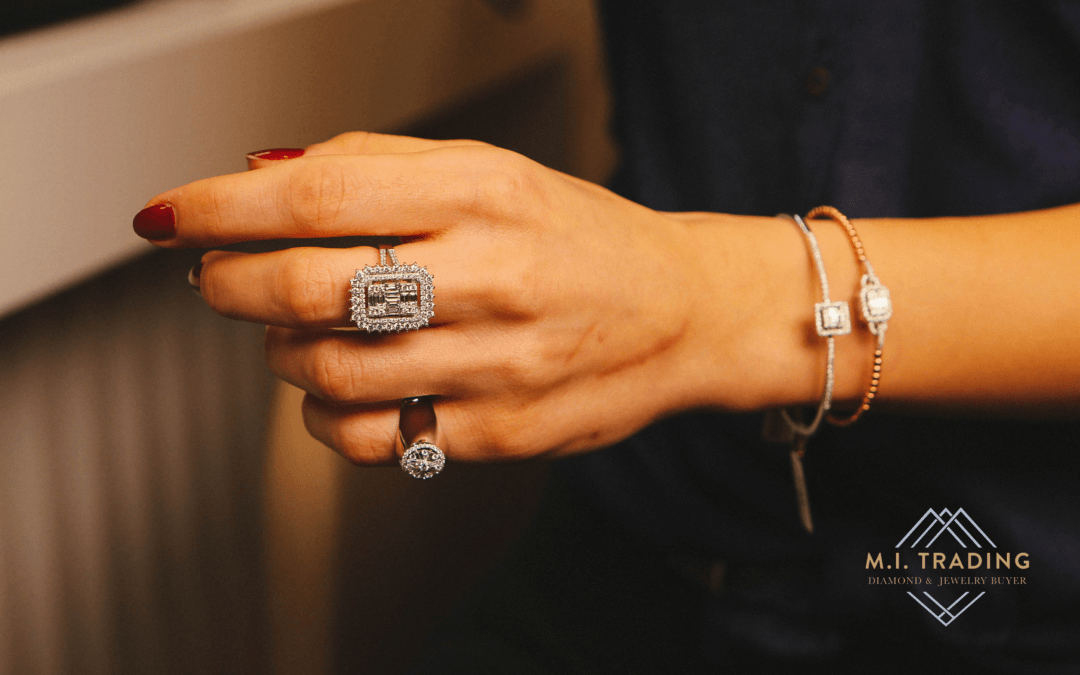
A jewelry box can hold years of memories alongside pieces whose financial worth remains unclear. You may have inherited a ring, stopped wearing an old necklace, or found a bracelet tucked away after a move. The piece may feel important, yet you may have little idea what a buyer would consider valuable.
That uncertainty often creates hesitation. Many owners worry about accepting too little, asking the wrong questions, or meeting someone who expects an immediate decision. A clear understanding of jewelry value can ease those concerns before any discussion about selling begins.
Jewelry value comes from several connected details. The precious metal, gemstones, construction, condition, documentation, market demand, and potential resale use can all influence how a piece is evaluated. Two items that appear similar from across a counter may have very different characteristics when examined closely.
Learning how these factors work can make conversations with jewelry buyers easier and more productive. You gain a clearer sense of what deserves attention, which questions to ask, and how a respectful evaluation should feel.
Why Jewelry Value Can Feel Difficult to Understand
Most people buy jewelry based on appearance, personal meaning, or the occasion connected to it. Few owners receive a detailed explanation of how resale value may be determined years later.
The original receipt can add to the confusion. A retail purchase price may include design, store expenses, marketing, warranties, packaging, and the experience of buying a new piece. A buyer evaluating pre-owned jewelry works from a different set of considerations. The item’s materials, current condition, desirability, and likely resale path carry greater weight.
Emotional attachment creates another layer. A ring passed down through generations may feel priceless to a family. A necklace connected to a former relationship may carry a very different emotional weight. Personal significance deserves respect, although it cannot always be converted into a market figure.
Some owners also assume age automatically increases jewelry value. Age alone provides limited guidance. An older piece may attract interest because of its craftsmanship, gemstones, period style, or maker. Another old piece may be valued mainly for its metal and stones. Each item needs individual attention.
A calm evaluation can separate emotional meaning from market considerations without dismissing either one. Many people seek an evaluation simply to understand what they own. Some decide to sell, while others keep the piece after receiving clearer information.
Powerful Details That Shape Your Jewelry’s Worth
Jewelry value begins with identification. An evaluator needs to determine what the piece contains, how it was made, and what condition it is in.
Metal type and purity matter. Gold jewelry may contain different percentages of pure gold depending on its karat level. Platinum, sterling silver, and other precious metal alloys have their own identifying marks and characteristics. Stamps inside a ring, clasp, or bracelet can offer useful clues, although marks should be checked rather than accepted without examination.
Weight also matters, especially when a piece has substantial precious metal content. The full weight does not always equal the amount of valuable metal because gemstones, fasteners, solder, and non-precious components may be included.
Craftsmanship can raise interest when a piece has distinctive handwork, an appealing period design, or quality construction. Fine details such as secure settings, balanced proportions, clean finishing, and durable assembly help an evaluator understand how the item was produced.
Condition influences available options. Worn prongs, chipped stones, deep scratches, missing parts, and previous repairs may affect buyer interest or restoration costs. Light wear may have little effect on a desirable piece. Severe damage can shift attention toward the recoverable value of its components.
Documentation may also help. Receipts, laboratory reports, repair records, original boxes, and family records can provide context. Owners should bring any available paperwork, while remembering that the physical item still needs to be examined directly.
How Diamonds, Gemstones, and Metals Affect Value
Diamonds are commonly described through the 4Cs: color, clarity, cut, and carat weight. These characteristics provide a shared language for describing diamond quality.
Carat weight measures how much a diamond weighs. Color grading considers the presence or absence of color in many diamonds. Clarity addresses internal and external characteristics. Cut evaluates how proportions and workmanship affect brightness, fire, and overall appearance. Two diamonds with the same carat weight can have different values because their color, clarity, and cut differ.
Shape can influence demand as well. Round, oval, cushion, emerald, pear, marquise, and other shapes may perform differently in the resale market. Popularity changes over time, and certain combinations of shape, size, and quality may attract stronger interest than others.
Colored gemstones require their own analysis. Species, variety, color, transparency, treatment status, size, and condition can affect how a gemstone is viewed. Treatments are particularly important because heating, filling, dyeing, diffusion, and other processes may change appearance and care requirements. Proper disclosure helps prevent a treated stone from being mistaken for a naturally higher-quality gem.
Precious metals contribute measurable material value. Gold purity, platinum content, silver fineness, and item weight help establish what the metal may be worth. The finished piece may carry additional value when its design, gemstones, workmanship, or market appeal make resale as jewelry realistic.
A careful jewelry evaluation considers these elements together. Looking at the metal alone could overlook a valuable gemstone. Focusing entirely on a stone could miss the importance of the setting, construction, or overall design.
Important Signs Your Jewelry Deserves a Closer Look
Certain details suggest that a piece should receive a careful in-person review.
Clear stamps, signatures, or identifying marks can offer information about metal content or origin. These marks may appear inside rings, near clasps, on watch cases, or along the backs of brooches and pendants. Worn or unusual markings may require magnification.
A substantial center stone also deserves attention. Size does not guarantee high jewelry value, but it provides a reason to examine the stone’s identity and quality. Some synthetic stones, imitation gems, and natural gemstones can look similar without proper testing.
Older construction methods may offer useful clues. Hand-cut stones, intricate metalwork, unusual settings, and period-specific design features can point toward a particular era or manufacturing style. A family story can provide context, although the physical evidence should guide the evaluation.
Paperwork from a recognized gemological laboratory can help describe a diamond or gemstone. A report number may sometimes be verified through the issuing laboratory. The report should also be matched carefully to the actual stone.
Pieces that feel unusually heavy, contain multiple stones, or show strong workmanship may deserve more than a glance. The same applies to inherited jewelry, estate collections, loose diamonds, wedding jewelry, luxury watches, and sterling silver items.
Why Jewelry Value Can Differ Between Austin Buyers
Owners sometimes receive different figures for the same piece. That difference can feel suspicious, though several practical reasons may explain it.
Buyers serve different markets. One buyer may have customers looking for a specific diamond shape. Another may focus on precious metal recovery. A specialist may recognize resale potential that a general buyer overlooks. Inventory levels, customer demand, repair requirements, and the buyer’s available sales channels can all influence the amount offered.
Experience also affects interpretation. A knowledgeable evaluator may identify gemstone characteristics, construction details, or marketable qualities that require training and regular hands-on exposure. Limited inspection can lead to missed information or broad estimates.
The depth of explanation matters as much as the number itself. A strong evaluation should show how the item’s metal, gemstones, condition, and current market position contributed to the conclusion. You should leave with a clearer understanding of the piece, even when you decide against selling.
Speed should never replace clarity. A fast number without supporting information gives you little basis for comparison. A calm conversation allows time for questions and helps you judge whether the buyer is addressing the complete item.
Austin jewelry owners can benefit from comparing local buyers, reviewing credentials, reading customer feedback, and asking how each evaluation works before scheduling a visit.
What a Clear Jewelry Evaluation Should Explain
A useful evaluation begins with careful observation and identification. The evaluator may inspect markings, test metal, examine gemstones under magnification, measure stones, note damage, and review any documents you bring.
Professional jewelry analysis may include details such as estimated stone weight, color and clarity ranges, metal testing, total item weight, markings, and the limits created by a mounted setting. A stone held in jewelry can be harder to assess fully than a loose stone because prongs and surrounding metal may conceal portions of it.
The explanation should stay understandable. You should hear what was observed, why it matters, and how it relates to jewelry value. Technical language can be useful when each term is explained in plain English.
A transparent conversation should also address uncertainty. Some characteristics require advanced laboratory equipment to confirm. Certain gemstones may need additional testing. An honest evaluator should identify those limits rather than presenting assumptions as facts.
You do not need extensive jewelry knowledge before an appointment. Bring the item, available paperwork, loose stones, boxes, receipts, or repair records. Questions are welcome. You should have enough time to understand the findings before considering an offer.
A proper evaluation should leave you better informed, regardless of whether you decide to sell.
Smart Ways to Compare Buyers Without Feeling Pressured
Start by looking at how each buyer communicates before your visit. Clear service information, accurate terminology, local contact details, and realistic statements provide useful trust signals. Aggressive promises deserve caution, especially when they appear before anyone has examined the item.
Ask what the evaluation will cover. A thoughtful answer may mention the metal, gemstones, condition, documentation, construction, and relevant market demand. Vague answers can leave important value factors unexplored.
Pay attention to the setting. Private appointments can make it easier to ask questions and discuss sentimental pieces. A secure, professional location may feel more appropriate than handing valuable jewelry to an unknown person or mailing it away without a direct conversation.
During the appointment, notice whether the evaluator explains the item before asking for a decision. You should feel comfortable requesting clarification. You should also be free to leave with your jewelry.
Compare the reasoning behind each offer. A higher figure can be appealing, but the terms, payment method, documentation, and credibility of the buyer also matter. Pressure, confusing deductions, or changing explanations can create avoidable risk.
Local Austin sellers can benefit from meeting a buyer in person because they retain control of the item throughout the discussion. They can see how the jewelry is examined, ask immediate questions, and decide after hearing the explanation.
How to Make a Confident Decision About Your Jewelry
Confidence comes from understanding the piece and knowing you have room to choose.
Begin with your own goal. You may want to sell soon, settle an estate, divide inherited property, clear out unworn jewelry, or learn what an item may be worth. A clear goal helps you decide how much information and comparison you need.
Gather anything connected to the jewelry. Bring laboratory reports, receipts, original packaging, repair records, and related pieces. Avoid cleaning delicate jewelry aggressively before an appointment. Harsh chemicals and rough handling can damage certain gemstones, finishes, or older settings.
Write down your questions in advance. Ask what the item contains, which characteristics affect its value, whether damage matters, how the current market influences interest, and what happens when you decline.
Give yourself permission to pause. A respectful buyer will understand that jewelry can carry personal history. You may need time to speak with family members, compare information, or consider whether selling feels right.
Once you understand the details shaping your jewelry value, you can move forward with fewer doubts. You will know what questions to ask, what explanations to expect, and when a buyer has earned your confidence.
A careful decision protects both the financial and emotional importance of the item. Clear information gives you the freedom to sell, keep, divide, insure, repair, or pass down your jewelry with greater certainty.
Recent Comments