


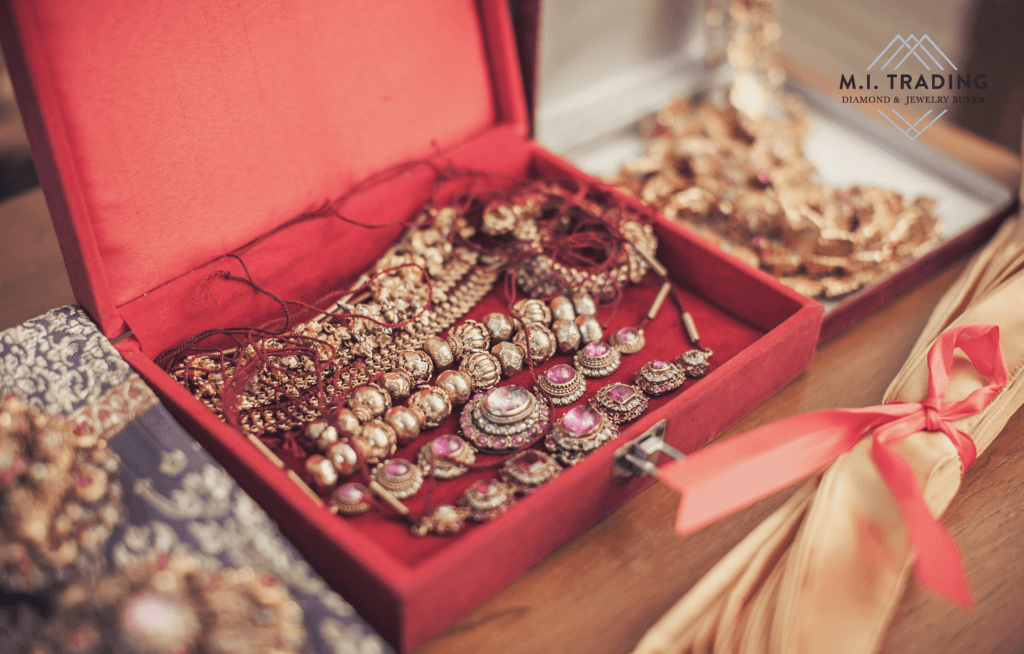
Selling inherited jewelry can bring up several emotions at once. A ring, necklace, bracelet, or watch may remind you of a parent, grandparent, or another important person. At the same time, the piece may sit unworn while you wonder whether it has financial value.
You may wonder whether selling the jewelry would feel disrespectful. You may worry that a buyer will recognize your uncertainty and offer less than the piece deserves. You may also feel unsure about the difference between sentimental value, original retail price, and current resale value.
A thoughtful approach can replace some of that uncertainty with useful information. You can learn what you own, understand which features affect its value, and decide what feels right without rushing.
For people selling inherited jewelry in Austin, the first step is often gathering reliable information. A clear evaluation can help you decide whether to sell, keep, divide, repair, or pass a piece to another family member.
Why Selling Inherited Jewelry Can Feel So Personal
Inherited jewelry often represents a person before it represents a price.
A gold bracelet may remind you of family gatherings. A diamond ring may carry a story about a marriage. A set of earrings may have been worn during holidays, celebrations, or ordinary moments that later became meaningful.
Those memories can create hesitation, even when you have no practical use for the item.
Family expectations may add another layer. One relative may want to preserve every piece. Another may prefer to sell the collection and divide the proceeds. Someone else may believe the jewelry is worth much more than the current market supports.
These different views can turn selling inherited jewelry into a family discussion rather than a simple financial choice.
It can help to separate the memory from the physical item. Selling a piece does not remove the person or event it represents. Some families keep one meaningful item and sell the rest. Others photograph each piece or record the story behind it before making a decision.
There is no single correct way to handle inherited jewelry. The best choice depends on your financial needs, family circumstances, emotional connection, and plans for the item.
Understanding your options can make the process feel more manageable. You can gather information first and make a final decision later.
First Steps That Protect Your Options and Peace of Mind
Begin by gathering the inherited jewelry in a safe, well-lit space. Avoid cleaning, polishing, repairing, or altering the pieces before you understand what they are.
Strong cleaning products can damage delicate finishes, loosen stones, or change the appearance of vintage jewelry. Repairs may also cost more than the value they add. Leaving each piece in its current condition gives a buyer or jewelry professional a clearer view of its original state.
Next, sort the collection into simple groups:
- Gold and platinum jewelry
- Diamond jewelry
- Loose diamonds and gemstones
- Watches
- Sterling silver items
- Costume or plated jewelry
- Pieces with receipts, boxes, or reports
Do not throw away an item because it looks broken, incomplete, or unfashionable. A damaged chain may still contain valuable gold. A ring with a missing stone may retain value through its metal, remaining gemstones, craftsmanship, or maker.
Look for paperwork stored with the jewelry. Helpful materials may include purchase receipts, previous evaluations, diamond grading reports, repair records, original boxes, or handwritten notes about ownership.
Documents can add context, though they do not guarantee a particular selling price. A receipt shows what someone paid at the time of purchase. Current resale value depends on the item’s present condition, materials, quality, and market demand.
Take clear photographs before moving or transporting the collection. Photos create a useful record and help you keep track of multiple pieces. For a larger collection, make a simple inventory with a brief description of each item.
These steps give you more control and reduce the chance of overlooking a potentially valuable piece.
What Really Shapes the Value of Inherited Jewelry
The age of an inherited item can be interesting, but age alone does not establish value.
Several factors may influence how a piece is valued, including precious-metal content, gemstone quality, weight, condition, craftsmanship, maker, design, current demand, and resale potential.
Precious metal content
Gold jewelry is often marked with stamps such as 10K, 14K, or 18K. These numbers indicate the proportion of pure gold in the piece. Platinum and sterling silver usually carry their own identifying marks.
Weight also matters, though the full weight of a piece may include stones, clasps, springs, fillers, or other non-precious materials. Hollow gold, gold-filled jewelry, plated items, and weighted silver require closer examination.
Metal prices change over time, so the value of gold, silver, or platinum jewelry may differ from what it was several years ago.
Diamond characteristics
A diamond’s value may be influenced by carat weight, cut, color, clarity, shape, condition, and whether it is natural or laboratory-grown.
A grading report can provide useful information, but a diamond can still be examined without one. The report may confirm measurable characteristics, while current demand and resale conditions help shape the amount a buyer may be willing to pay.
Two diamonds with the same carat weight can receive different offers because of differences in quality, proportions, shape, or market interest.
Colored gemstones
Colored gemstones can vary widely in value. Identity, size, color, transparency, treatment, condition, origin, and demand may all matter.
Appearance alone can be misleading. A large, brightly colored stone may be synthetic or heavily treated. A smaller natural gemstone may have stronger market value.
Professional testing may be needed when the identity or treatment of a stone is uncertain.
Design and craftsmanship
Some inherited jewelry has value as a complete piece. Antique construction, unusual design, recognizable craftsmanship, or demand for a certain period may influence its resale potential.
Other items may be valued mainly for their metal and stones. This often happens when the style has limited demand or when the cost of restoration would be too high.
Condition
Broken clasps, missing stones, worn settings, scratches, and earlier repairs can affect value. The amount of impact depends on the piece.
Damage does not always remove all value. A damaged gold bracelet may still be valuable for its metal content. A chipped diamond or missing gemstone may reduce the amount a finished piece can bring.
Current demand
Jewelry resale value depends partly on what buyers are looking for at the time.
Certain shapes, styles, brands, or periods may attract more interest than others. Market demand can change, so an item that sold easily in the past may perform differently today.
Documents and Details That May Strengthen Your Position
Bring any relevant materials you already have, but do not assume that missing paperwork makes the jewelry worthless.
Helpful documents may include:
- Diamond grading reports
- Purchase receipts
- Previous evaluation records
- Repair or service records
- Original watch boxes and papers
- Designer packaging
- Family notes about origin or ownership
A grading report may describe a diamond’s characteristics. A receipt may identify the maker, retailer, or original purchase price. Service records may explain replacement parts or earlier repairs.
Paperwork should support the physical examination of the jewelry. It should not replace it.
Jewelry may change after a document is issued. Stones can be reset, replaced, chipped, or damaged. Metal can wear down. Market prices and buyer demand can also shift.
Family stories can provide helpful background, though they still need verification. A relative may have described a ring as rare, extremely valuable, or connected to a famous maker. Marks, construction, documentation, and testing are needed before those claims can be confirmed.
When selling inherited jewelry, accurate information is more useful than an assumption based on family history or the original retail price.
How to Find a Fair Jewelry Buyer in Austin
A fair experience usually begins with clear communication.
Look for a buyer who explains what they see, answers questions directly, and gives you enough time to consider the information. You should understand which parts of the jewelry contribute to its value and how the offer was reached.
Experience can be especially important when an inherited collection contains a mixture of materials. A single box may include fine jewelry, plated pieces, natural diamonds, synthetic stones, sterling silver, and costume jewelry.
A knowledgeable buyer should be able to sort these categories carefully and explain the differences in plain language.
Privacy may also matter. A quiet, one-on-one appointment can make it easier to discuss family history, ask detailed questions, and handle an emotional decision without distractions.
Before choosing a buyer, review their public reputation. Look for consistent comments about honesty, patience, clear explanations, and respectful treatment.
Pay attention to how the business handles concerns as well as praise. A professional response to criticism can reveal a great deal about how customers are treated.
Be cautious with unsupported promises, guaranteed highest-price claims, or pressure to sell immediately. A strong offer should be supported by a clear explanation rather than urgency.
You should also feel comfortable leaving without selling. A fair evaluation should help you understand the item even when you decide to keep it.
Smart Questions to Ask Before Accepting an Offer
Good questions can help you evaluate both the offer and the buyer.
Start with: What features are contributing most to this value?
A clear answer may mention gold purity, weight, diamond quality, gemstone identity, condition, current demand, or resale potential.
You may also ask:
- Are the stones being valued separately from the setting?
- Does the piece have value as finished jewelry?
- Is the offer based mainly on precious-metal content?
- Were any natural diamonds or valuable gemstones identified?
- Does the condition reduce the offer?
- Would documentation help confirm more details?
- How is payment handled?
- Do I need to decide today?
- Can I keep the pieces I feel unsure about?
- Is the offer available in writing?
Listen for explanations that make sense. Technical terms should be clarified rather than used to end the conversation.
You may decide to compare offers, especially for a valuable or unusual collection. Compare the reasoning along with the final numbers.
One buyer may value a piece mainly for its gold content. Another may see resale potential in its design, maker, or gemstones. Different assumptions can lead to different offers.
Understanding the explanation helps you decide which offer reflects the item most accurately.
What a Clear, Private Jewelry Evaluation Should Explain
A jewelry evaluation should leave you with fewer questions than you had before.
The person examining the jewelry should explain the features that affect value. Depending on the collection, this may include metal purity, weight, gemstone characteristics, construction, condition, and current demand.
Testing may be necessary when marks are missing or unclear. Measurements and specialized tools can help identify metal content, stone characteristics, or other relevant details.
The explanation should stay understandable, even when the testing process is technical.
You should know whether an item is being considered for resale, material recovery, or a combination of both. You should also understand why a piece may have a lower resale value than its original purchase price.
Retail pricing may include store overhead, design costs, labor, marketing, and profit margins. A resale offer reflects what the item can reasonably be sold for in the current secondary market.
Some pieces have strong resale appeal. Others are valued mainly for their metal or stones. A clear evaluation should explain which situation applies.
You may also choose to sell only part of a collection. There is no requirement to make one decision for every piece at the same time.
How to Make a Confident Choice Without Feeling Rushed
A confident decision can take time.
Start by identifying what you want the decision to accomplish. You may want to divide an estate, reduce clutter, cover an expense, or let go of an item connected to a difficult period. You may simply want to understand what the collection is worth.
Then consider the emotional importance of each piece.
A practical approach is to create three groups:
- Pieces you feel ready to sell
- Pieces you want evaluated before deciding
- Pieces you already know you want to keep
This can make selling inherited jewelry feel less overwhelming because you are no longer treating the entire collection as one decision.
Review the information you receive. Ask yourself whether the value was explained clearly, whether your questions were answered, and whether you understand the payment terms.
Consider whether the decision still feels right after you have had time to think.
For family estates, written records can help prevent misunderstandings. Keep notes about which items were examined, which pieces were sold, and how any proceeds were divided.
Selling inherited jewelry should leave you feeling informed rather than hurried. A careful process allows you to consider the financial value, personal meaning, and practical options before deciding what happens next.
For anyone selling inherited jewelry in Austin, the most useful first step is often learning what each piece contains and how the current market views it. Bring the jewelry, any available documents, and a list of questions.
The pieces may come from someone else’s life. The choice to keep, share, or sell them belongs to you.