


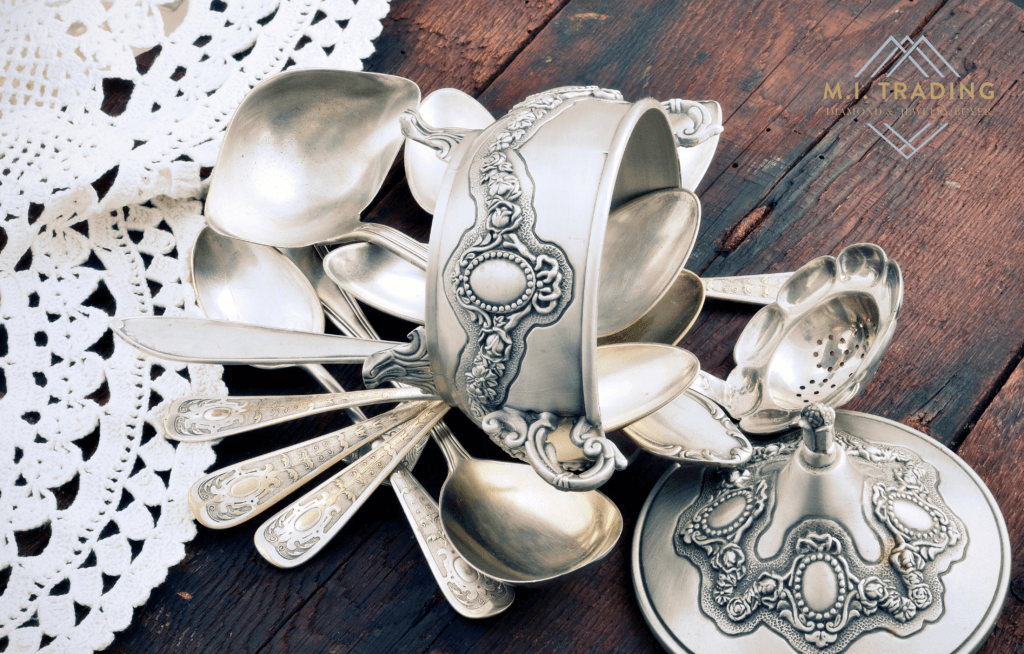
Silverware can sit quietly in a drawer, cabinet, or storage box for years before someone starts wondering what it may be worth. Maybe it came from a parent or grandparent. Maybe it was a wedding gift that no longer fits your life. Maybe it was part of an estate, and now you are trying to decide what to keep, what to pass down, and what to sell.
That first question usually sounds simple: “What is my silverware value?” The answer depends on several details. The type of silver, weight, maker, pattern, condition, and current silver market all play a part. Some sets have value mainly because of the silver content. Others may have added interest because of the maker, age, design, or completeness of the set.
For many sellers, the harder part has little to do with metal. It comes from uncertainty. You may wonder if the pieces are sterling silver or silver-plated. You may worry about accepting a low offer. You may feel unsure about cleaning, sorting, or bringing everything in. Those concerns are normal.
A clear evaluation can remove much of that confusion. When you understand what you own and why it carries a certain value, you can make a better decision without feeling rushed.
Why Silverware Value Can Feel Confusing at First
Silverware value can feel difficult to understand because many pieces look similar at a glance. A shiny fork, spoon, or serving piece may look valuable, yet appearance alone does not confirm silver content. Some flatware is sterling silver. Some is silver-plated. Some are stainless steel with decorative styling that resembles traditional silver.
Sterling silver contains a high percentage of real silver, usually marked with “sterling” or “925.” Silver-plated flatware has a thin layer of silver over another base metal. Because the silver layer is thin, silver-plated pieces usually have much lower resale value than sterling silver.
This is where many people make assumptions. A family set may feel valuable because it is old, beautiful, or carefully stored. Those qualities can matter, but the silver content often carries the most weight in the resale market. Age alone does not guarantee strong value. A newer sterling silver set may be worth more than an older silver-plated set because of the actual precious metal content.
Another reason the value feels confusing is that buyers may focus on different details. Some look mainly at silver weight. Others may consider the maker, pattern, resale demand, or condition. If one buyer explains the value clearly and another gives a fast number without context, the difference can feel unsettling.
A transparent silverware evaluation should slow that process down. You should be able to ask what the markings mean, how the pieces are being weighed, and what factors affect the offer. That kind of clarity helps you decide with more confidence.
What Makes Sterling Silverware Worth More
Sterling silverware usually carries more value because it contains a high percentage of silver. In most cases, sterling silver is 92.5 percent silver and 7.5 percent other metals, often copper. The added metal gives the pieces strength because pure silver is too soft for regular use.
When evaluating sterling silverware, weight is one of the most important factors. Heavier sets often have higher melt value because they contain more silver. A full service set with forks, knives, spoons, serving pieces, and specialty utensils may carry stronger value than a small partial group.
Still, weight needs to be handled carefully. Not every piece in a silverware set is solid sterling throughout. Dinner knives, for example, often have sterling handles with stainless steel blades. Some handles may also contain filler material. This means the total physical weight of the knife does not equal pure sterling silver weight.
That detail can surprise sellers. A heavy knife may feel like one of the most valuable pieces in the set, but the internal construction can reduce the silver content. A careful buyer will separate those details instead of treating every piece the same.
Maker and pattern can also influence silverware value. Certain names, patterns, and complete sets may attract more buyer interest. A recognizable maker, desirable design, or matching set may hold value beyond metal content in some cases. Demand changes, though, so the market for a specific pattern should be evaluated honestly.
Condition also plays a role. Normal tarnish is common and usually expected. Serious damage, heavy wear, bent tines, missing pieces, monograms, or repairs may affect resale interest. Some buyers still value damaged sterling silver for metal content, but collectors or pattern buyers may care more about appearance and completeness.
The strongest way to understand sterling silverware value is through a clear, item-by-item review. That gives you a realistic picture without guessing from online photos or broad price ranges.
Silver Plate vs. Sterling Silver: Key Value Differences
One of the biggest differences in value comes down to sterling silver versus silver plate.
Sterling silver has precious-metal value because it contains a high proportion of silver. Silver-plated flatware has only a thin silver coating over another metal. That coating can make a piece look similar to sterling, especially when polished, but the resale value is usually much lower.
Common silver plate markings may include terms such as “EPNS,” “silverplate,” “quadruple plate,” or maker stamps without sterling indicators. Sterling pieces often include “sterling,” “925,” or other marks connected to silver purity. These markings can vary by country and manufacturer, so a professional review can help when stamps are worn, confusing, or hard to read.
Many sellers feel disappointed when they learn a set is silver-plated. That reaction is understandable, especially when the pieces came from family or were always treated as valuable. Financial value and personal meaning can be very different. A silver-plated set may still carry sentimental value, decorative value, or limited resale interest depending on the maker and style.
Guessing can lead to two problems. You might assume a plated set is worth far more than the market supports. You might also assume an old box of flatware has little value when some pieces are actually sterling silver. Both situations happen often.
A proper evaluation helps identify what sterling is, what is plated, and what each group may realistically be worth. That clarity matters when handling estate items, inherited silverware, or pieces that have been stored for decades.
Before selling, avoid relying only on quick online comparisons. Listings can show asking prices, not actual selling prices. Some listings may describe items incorrectly. Others may include rare patterns or complete sets that do not match what you own. Silverware value depends on your specific pieces, not a general search result.
How Condition, Pattern, and Maker Affect Silverware Value
Silver content creates the foundation of value for many sterling pieces, but condition, pattern, and maker can shape the final number.
Condition tells a buyer how the silverware has aged, how it was stored, and whether it may appeal to someone who wants to reuse, complete, or collect a set. Light tarnish usually does not ruin value. Tarnish is normal with silver. Heavy damage, deep scratches, corrosion, bent parts, missing knife blades, or worn pattern details can affect interest.
Monograms can influence silverware value as well. Some buyers do not mind monograms, especially when the value is based mostly on metal content. Others may reduce the offer if the goal is resale to a buyer who wants unmarked pieces. A monogram does not automatically remove value, but it can affect demand.
Pattern matters because some designs remain more desirable than others. A complete or nearly complete set in a known pattern may attract stronger interest than mismatched pieces. Serving pieces can also add value, especially when they match the set. Large spoons, ladles, carving pieces, and specialty utensils may be worth reviewing carefully instead of assuming they are extras with little importance.
Maker is another important factor. Some silver manufacturers have stronger recognition, and certain patterns have established resale demand. A respected maker can add confidence when identifying authenticity, age, and market interest. Still, the maker alone does not guarantee a high offer. A damaged, incomplete, or less desirable pattern from a known maker may still be valued mainly by silver weight.
The current silver market also affects value. Silver prices move up and down. Since sterling silverware contains precious metal, those market changes can influence offers. This is one reason an old estimate may no longer reflect today’s value.
A thoughtful evaluation brings these details together. The buyer should explain what matters most in your set, what carries silver content, what may have pattern interest, and how condition affects the final offer. That explanation can make the selling process feel far less stressful.
What to Bring for a Private Silverware Evaluation
A private silverware evaluation should feel simple, respectful, and organized. You do not need to know every detail before coming in. You only need to bring the pieces you want reviewed and any information that may help identify them.
Bring the full set if you have it. That includes forks, spoons, knives, serving utensils, specialty pieces, and any matching items stored separately. Small pieces can be easy to overlook, especially in estate boxes or older storage cases. A complete review gives a clearer picture of silverware value.
If the silverware came in a storage chest, bring the chest as well. The chest may help keep pieces organized by pattern or set. It may also contain labels, paperwork, or maker information. The chest itself may or may not add much value, but it can help during identification.
Bring any documents you have, such as purchase receipts, family notes, pattern cards, or old insurance records. These items are not always necessary, but they can provide helpful context. If you do not have paperwork, that is fine. Many people bring inherited silverware with no background information at all.
Avoid heavy polishing before the evaluation. Light tarnish is common and expected. Aggressive cleaning can sometimes damage surfaces, soften pattern details, or create scratches. If you are unsure, leave the pieces as they are and let the buyer review them safely.
It also helps to think about your goal before the appointment. Are you ready to sell if the offer feels fair? Are you gathering information for an estate decision? Are you comparing options? There is no wrong answer. A calm evaluation should give you room to learn first and decide after.
For many sellers, privacy matters. Silverware can come from sensitive life moments, including inheritance, downsizing, divorce, or family changes. A private appointment gives you space to ask questions without feeling exposed or rushed.
How to Feel Confident Before Accepting an Offer
Confidence comes from understanding. Before accepting an offer, you should know what was evaluated, how the silverware value was determined, and which factors affected the final number.
A fair process should include clear identification. You should understand whether your pieces are sterling silver, silver-plated, or mixed. If some pieces have different markings, those differences should be explained. If knives have sterling handles with non-sterling blades or filler, that should be made clear.
You should also understand how weight is considered. Sterling pieces may be weighed, but the evaluation should account for construction details. A careful explanation can prevent confusion, especially when a set includes knives, hollow handles, or mixed materials.
Ask how the current silver market affects the offer. Since silver prices change, today’s offer may differ from one given months or years ago. That does not automatically mean one offer is unfair. It means timing and market conditions matter.
You can also ask whether the set has value beyond silver content. Some patterns, makers, and complete sets may have added resale interest. In other cases, the value may be tied mostly to the metal. A direct answer helps set realistic expectations.
A trustworthy buyer should make room for your questions. You should not feel embarrassed for asking basic things. Most people do not evaluate silverware often. Many sellers are doing this for the first time, especially with inherited or estate pieces.
You should also feel free to decline the offer. A respectful evaluation gives you information without pushing you into a decision. Some people sell right away because the timing feels right. Others take the information home and think it over. Both choices are valid.
When you understand your silverware value, you can move forward without second-guessing every detail. That may mean selling, keeping the set, dividing pieces among family, or waiting until you feel ready. The right next step is the one you can make with a clear mind.
Mistakes to Avoid When Estimating Silverware Value
Silverware value becomes harder to judge when you rely on quick assumptions. One common mistake is thinking every shiny or older-looking piece is sterling silver. Many silver-plated pieces were made with beautiful designs, heavy handles, and elegant storage cases, but their resale value is usually much lower than that of sterling silver.
Another mistake is using online listing prices as a firm guide. A listing price shows what someone hopes to receive, not always what a buyer actually paid. The same pattern can appear at very different prices depending on condition, completeness, seller reputation, and market demand.
Cleaning silverware too aggressively can also create problems. Tarnish is normal. Harsh polishing, abrasive cloths, or chemical dips may scratch the surface or soften decorative details. When in doubt, leave the pieces as they are before having them reviewed.
Some people also forget to check serving pieces, small utensils, or items stored outside the main case. Ladles, sugar spoons, butter knives, carving pieces, and specialty utensils may add meaningful value when they are sterling silver or part of a matching set.
A careful approach gives you a clearer picture. Gather the full set, keep any paperwork or storage cases nearby, and avoid guessing based on age or appearance alone.
Clear Silverware Value Starts With a Calm Evaluation
Selling silverware can feel simple at first, but the decision often carries personal weight. These pieces may come from family history, major life changes, or years of careful storage. That makes clarity important.
When you understand your silverware value, you no longer have to rely on guesses, online listings, or rushed offers. You can identify which pieces are sterling, which are plated, how weight affects value, and whether maker, pattern, condition, or completeness may add interest.
A private, in-person evaluation can help you get clear answers before making a decision. The right setting should feel calm, respectful, and pressure-free. You should be able to ask questions, hear how the value was determined, and take time to decide what feels right.
Some people choose to sell after learning more. Others decide to keep their silverware, pass it down, or wait until the timing feels better. Each choice is valid when it comes from clear information rather than uncertainty.
If you have silverware sitting at home and you are unsure what it may be worth, learning its value can give you a better sense of your options. That knowledge helps you move forward with confidence, whether you sell now, sell later, or simply want to understand what you own.