
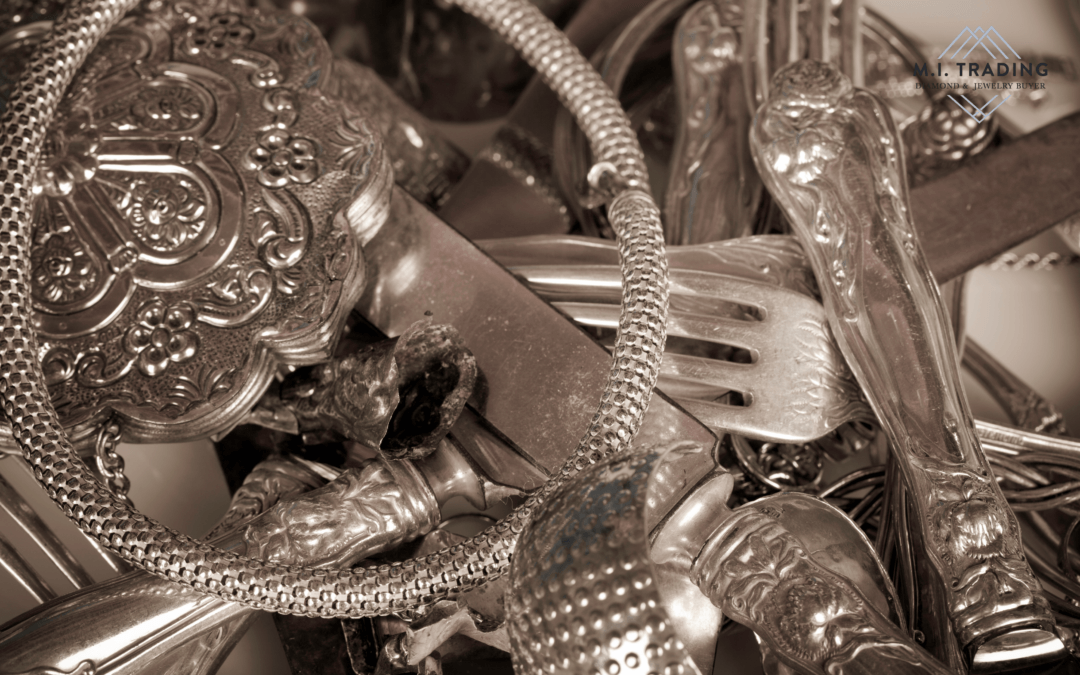
A quiet moment often arrives when someone opens a drawer and finds a stack of sterling silver tucked inside a cloth bag. Sometimes it is a wedding gift from years ago. Sometimes it is a set passed down from family members who enjoyed long dinners and polished centerpieces. These pieces sit with their own stories, and sellers in Austin wonder what their real worth might be.
Sterling silver retains its steady appeal, especially when handled by someone who understands its intricacies. Local sellers appreciate guidance that clears the noise and gives them clarity. A careful, in-person look helps people recognize where beauty, weight, craftsmanship, and history come together. Let me explain how these parts shape value and why Austin sellers often feel more confident once they understand how sterling silver evaluations work.
How Sterling Silver Prices Shift in Today’s Market
The value of sterling silver moves with broad market conditions, general demand, and the interest collectors show in certain styles. Physical silver prices usually follow trends influenced by global trading activity. I cannot confirm the current exact price because I do not have access to a live, real-time commodity chart, but the price typically adjusts throughout each month. Sellers often find it helpful to know that sterling silver includes 92.5 percent pure silver, and this level forms the foundation of its base value.
Local buyers consider two factors when evaluating today’s value: the market’s price for the metal and the design or craftsmanship that may enhance the offer. Sterling silver jewelry or flatware with recognizable makers sometimes gathers more attention, depending on how collectors respond to those names. Interest in vintage styles may rise for a period, then shift as home décor preferences evolve.
Sellers in Austin frequently ask if now is a “good time” to sell. The honest answer depends on their personal goals. Some want a clean, clutter-free home. Some want to settle an estate. Some want to place value on something useful for the present. Sterling silver carries steady demand, and local evaluations help clarify potential worth regardless of temporary market swings.
When people bring items to M.I. Trading, they appreciate hearing a clear explanation of how market conditions influence their offer. This transparency helps them decide at their own pace.
The Craftsmanship Details Buyers Look For
Craftsmanship often reveals itself quietly. A smooth line along the edge of a spoon, a balanced weight in a serving fork, or thoughtful design work along the handle can create a distinct sense of quality. Buyers pay close attention to these traits because they shape how desirable a piece feels in the resale environment.
Hallmarks sit at the center of this process. Sterling silver usually features markings such as “925,” “Sterling,” or a maker’s stamp. These small impressions help confirm authenticity and guide further evaluation. I cannot confirm the hallmarks on any specific item without seeing it, but these markings typically help determine age, origin, and craftsmanship quality.
Design features also matter. Intricate patterns may add appeal when they remain crisp and well-preserved. Clean lines may signal a contemporary style that fits easily into modern homes. Some makers carve out small reputations of their own, and their names sometimes carry added interest among collectors or individuals looking to complete a set.
Condition plays a large role. Tarnish often lifts with proper cleaning, but dents, bends, or deep scratches influence perceived value. Buyers look for signs of careful care because well-preserved sterling silver tends to age with dignity. A piece that still shines after years in storage often shows the strength of its original workmanship.
People visiting M.I. Trading often appreciate learning how these small details shape the value of their sterling silver. Clear explanations help them feel more connected to the pieces they bring in, and the process becomes less mysterious.
Sterling Silver vs Other Silver Types
Many sellers wonder why some silver items feel heavier, brighter, or more valuable than others. The answer usually comes from understanding the difference between sterling silver and the many other silver-colored metals used in household and jewelry items.
Sterling silver carries a predictable level of purity. The standard 92.5 percent silver content gives it consistent weight and a natural, soft gleam. This composition allows it to hold value tied to the silver market while also supporting attractive design work.
Silver-plated items often look similar at first glance, but they contain only a thin surface layer of silver over a base metal. Because the actual silver content remains minimal, these pieces do not hold resale value as precious metal and are not bought during evaluations. Sellers sometimes confuse silver-plated items with sterling silver since both can shine when polished, but a simple hallmark check quickly clarifies the difference and prevents confusion early in the process.
Fine silver contains a higher purity level, closer to 99.9 percent. It has a softer surface and feels slightly different. It appears more often in coins or bullion products than in flatware or decorative pieces.
Nickel silver contains no real silver, even though its name suggests otherwise. Its color mimics silver, but the metal underneath usually includes copper, nickel, and zinc. Buyers identify it quickly and separate it from sterling silver collections.
Clear, straightforward explanations during evaluations help people understand what they own. These distinctions create a fair and predictable environment for sellers who want clarity before making any decisions.
Estate Sterling Silver: When Age Enhances Appeal
Estate sterling silver carries a kind of quiet history. Each piece reflects a design moment from the past, whether it comes from a mid-century dining room or a set passed down through several generations. Age sometimes strengthens appeal when the style reflects a period that collectors appreciate today.
I cannot confirm the value of a specific pattern or maker without examining it, but older sterling silver may earn attention when it holds strong craftsmanship and recognizable hallmarks. Some families cared for these pieces with exceptional attention, wrapping each item carefully over the years. These preserved sets often show the natural character of sterling silver without signs of rough handling.
Estate jewelry and flatware also introduce the element of nostalgia. Sellers often share short stories about family gatherings or holiday meals. Buyers listen to those stories with respect, even though value ultimately rests on the silver content, condition, and design.
Pieces from certain periods may align with current home décor trends. People renovating older homes sometimes prefer original accents, and sterling silver from the same era fits well. These patterns come and go in popularity, and the evaluation process gives sellers a transparent look at how their items relate to current interest levels.
Sellers generally feel more grounded when they understand why age might help a piece stand out. The goal is clarity, not pressure.
Local Trends Austin Sellers Often Overlook
Austin maintains its own rhythm. People here appreciate handmade pieces, natural materials, and items with a story woven into them. These preferences influence how locals respond to sterling silver. Some buyers look for clean mid-century designs that fit well with Austin’s modern homes. Others lean toward ornate vintage pieces that carry a sense of heritage.
One trend involves the renewed interest in sustainable ownership. Residents often prefer items with lasting quality instead of short-term household products. Sterling silver flatware and serving pieces fit this direction because they age well and can last through many generations.
Another trend emerges from the city’s steady growth. New residents arrive with blended households, merging belongings and deciding which items fit their current lifestyle. Sterling silver sets make their way into local evaluations when people simplify or update their living spaces.
Sellers sometimes overlook the impact of local interest on demand. Austin’s mix of longtime residents, new families, and design-minded buyers creates small surges of attention for certain styles. M.I. Trading sees these patterns in real appointments, and sharing these observations helps people feel more informed.
These local notes guide sellers toward better decisions by revealing how Austin’s preferences interact with the broader market.
How a Transparent Evaluation Builds Confidence
People often feel uncertain when selling precious metals. They want to understand the process, know why an offer looks the way it does, and trust the person examining their items. A calm, transparent setting creates confidence.
During a sterling silver evaluation, an expert studies hallmarks, weight, craftsmanship, and overall condition. Each step includes a clear explanation so the seller understands the reasons behind the offer. The process stays private and relaxed, which helps people feel more comfortable asking questions.
The ability to see the evaluation unfold in real time also matters. Sellers notice when someone handles their items with care. They sense honesty when the evaluator explains each part of the value and avoids confusing language. This simple approach gives people the space they need to decide without pressure.
Many Austin sellers choose in-person evaluations because the interaction helps build trust. They want a local expert who speaks plainly and respects the emotional connection they might hold with the items. Sterling silver often holds memories, and the selling process feels easier when handled with understanding.
A transparent evaluation keeps the experience grounded. The seller sees each step, understands the offer, and walks away with clarity. Whether they decide to sell or keep their items, the information stays valuable.

Recent Comments