
How to Choose a Gold Buyer in Austin
Choosing where to sell gold can be difficult when you don’t know how your jewelry should be evaluated or what separates one buyer from another.
A good gold buyer should help you understand what you have, the factors affecting its value, and how an offer was determined. You should also have enough information to compare your options and decide whether selling makes sense without feeling pressured.
This guide explains what to look for when choosing a gold buyer in Austin, which questions to ask, and which warning signs are worth paying attention to before you sell.
Understand the Evaluation • Know What Questions to Ask • Recognize Red Flags • Make an Informed Decision
What Should You Look for in a Gold Buyer?
When comparing gold buyers in Austin, the amount you’re offered matters, but so does whether you understand how that number was reached.
A reputable buyer should be willing to explain the evaluation, answer reasonable questions, and give you the information you need to make your own decision.
Before choosing where to sell, look for a buyer who provides:
Clear explanations
You should understand what is being evaluated and which factors affect value.
Transparent testing and weighing
The buyer should be willing to explain how gold purity and weight are determined.
Relevant experience
Jewelry can contain diamonds, gemstones, designer value, or other characteristics that require more than simply weighing the gold.
A professional business presence
Look for clear business information, an established location, and a way to verify the buyer’s reputation.
Time to ask questions
You should be able to ask how an offer was calculated without feeling uncomfortable or rushed.
No pressure to sell
Receiving an offer should not obligate you to accept it.
The goal isn’t simply to find someone willing to buy gold. It’s to find a buyer who gives you enough information to understand the transaction before you agree to it.
Understand How Gold Value Is Determined
You don’t need to become a gold expert before selling your jewelry, but understanding a few basics makes it easier to ask questions and evaluate what a buyer is telling you.
Gold Purity
Gold jewelry comes in different levels of purity, commonly expressed in karats. For example, 10K, 14K, and 18K gold contain different percentages of pure gold. A higher karat indicates a greater proportion of gold.
Weight
Weight is another important factor. Two pieces with the same gold purity can have very different values if one contains considerably more gold than the other.
Current Gold Market
Gold prices fluctuate, so current market conditions affect the underlying value of the gold in your jewelry. The market price of pure gold provides a reference point, but it should not be confused with the amount a buyer will necessarily offer for a piece of jewelry.
Other Value in the Jewelry
Some jewelry shouldn’t be evaluated solely for its gold content. Diamonds, gemstones, designer or maker, craftsmanship, rarity, condition, and resale demand may also affect what a piece is worth.
Questions to Ask a Gold Buyer Before You Sell
How Did You Determine the Purity of My Gold?
Ask how the karat or purity of your gold was identified and what the result means. If you’re unfamiliar with the testing method, the buyer should be willing to explain it in understandable terms.
How Much Does My Gold Weigh?
Because weight is an important part of gold value, you should understand the weight being used in the evaluation and how it relates to the purity of your items.
How Does the Current Gold Market Affect the Offer?
Gold prices fluctuate. Ask how current market conditions factor into the evaluation rather than assuming that the published price of pure gold is the amount you should expect to receive for your jewelry.
Does My Jewelry Have Value Beyond Its Gold Content?
This can be particularly important if your jewelry contains diamonds or gemstones, is signed by a recognized designer, or may have value as a complete piece. Ask whether those characteristics were considered before the offer was determined.
Can You Explain How You Arrived at the Offer?
You should be able to understand the main factors behind an offer before deciding whether to accept it. If something isn’t clear, ask for an explanation.
What Happens if I Decide Not to Sell?
Know this before handing over your jewelry. Receiving an evaluation or offer shouldn’t leave you feeling obligated to complete a transaction.
Red Flags to Watch for When Choosing a Gold Buyer
Trust is easier to evaluate by looking at how a buyer behaves than by relying on advertising claims. If you’re uncomfortable with the process or don’t understand what is happening, it’s reasonable to ask questions before making a decision.Be cautious if you feel pushed to accept an offer before you’ve had an opportunity to understand it. You should be able to consider the information you’re given and make your own decision.
[/et_pb_blurb]Unclear Testing or Weighing
If you don’t understand how your gold was tested, weighed, or classified, ask. A buyer should be able to explain the method and the results in clear language.
Vague Explanations About the Offer
An offer shouldn’t feel like an unexplained number. While a buyer may not disclose every detail of their business model, you should be able to understand the main factors affecting the value of your items.
Treating Every Piece as Scrap Without Looking Closely
Many gold items are valued primarily for their precious-metal content, but some jewelry may contain diamonds, gemstones, designer value, or other characteristics worth considering. A piece should be understood before those possibilities are dismissed.
Business Information That's Difficult to Verify
Before bringing valuable jewelry to someone, look at the business itself. Check its location, contact information, website, and independent customer reviews. These don’t guarantee what your experience will be, but they can help you make a more informed choice.
Why Experience Matters When Selling Gold Jewelry
Testing gold purity and determining weight are important parts of evaluating gold, but jewelry can be more complicated than its metal content alone.
An experienced jewelry buyer has encountered a wide range of pieces, including different gold purities, manufacturing methods, diamonds and gemstones, designer jewelry, estate pieces, damaged jewelry, and changing resale markets.
Experience Helps Identify What Deserves a Closer Look
A broken gold chain may primarily have value because of its gold content. A diamond ring, signed designer piece, or unusual estate item may require a different evaluation. Experience helps a buyer recognize when an item warrants additional consideration rather than treating every piece the same way.

Experience Should Lead to Better Explanations
Years in the jewelry industry are most useful to a seller when that knowledge is communicated clearly. A buyer should be able to explain what they’re seeing, which characteristics matter, and how those factors relate to the offer.
Moran Tairy’s Experience
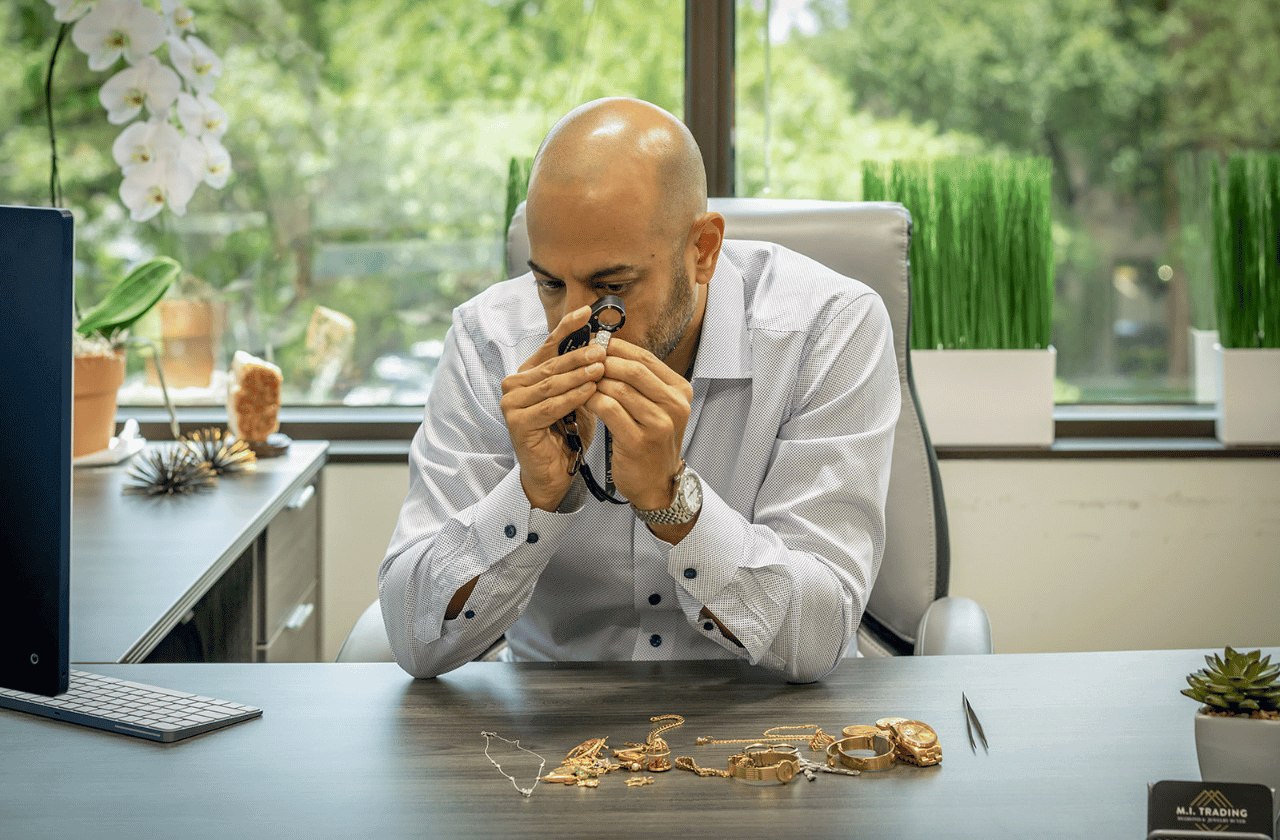
Moran brings more than 20 years of hands-on experience working with diamonds, gold, and fine jewelry. At M.I. Trading, that experience is used to help sellers understand their items and the factors affecting their current value before deciding whether to sell.
Evaluations are conducted by private appointment at M.I. Trading’s Austin office, with time to ask questions and no obligation to accept an offer.
Ready to learn what your own gold may be worth? Visit our Austin gold buying page to learn about private evaluations with M.I. Trading.
Should You Get More Than One Gold Offer?
If you’re uncertain about the value of your gold or aren’t comfortable with an offer, getting another opinion can give you additional information before you decide.
But comparing gold offers isn’t always as simple as choosing the highest number. First, make sure you understand what each buyer evaluated and what is included in the offer.
Make Sure You're Comparing the Same Things
One buyer may be evaluating a piece primarily for its gold content, while another may recognize additional value in a diamond, gemstone, designer name, or the jewelry as a complete piece. If the evaluations aren’t based on the same factors, the offers may not be directly comparable.
Ask Each Buyer to Explain the Offer
Before comparing numbers, ask how each offer was determined. Understanding the gold purity, weight, current market conditions, and any additional jewelry value considered gives you useful context for the amount you’re being offered.
Consider the Experience, Not Only the Number
The amount offered is important, but so is your understanding of the transaction. Consider whether your questions were answered, whether the evaluation made sense to you, and whether you felt comfortable making your own decision.
You don’t need to accept an offer simply because you’ve taken the time to have your jewelry evaluated. The purpose of getting more information is to help you make a decision you feel comfortable with afterward.
Ready to Sell? What to Expect at M.I. Trading
Once you’ve done your research and you’re ready to have your gold evaluated, M.I. Trading offers private, appointment-only evaluations in Austin.
Moran will examine your items and explain the factors relevant to their value. Depending on what you bring, that may include gold purity and weight as well as diamonds, gemstones, designer or maker information, and other characteristics of the jewelry.
You’ll have an opportunity to ask questions and understand the offer before deciding whether you want to sell. There is no obligation to accept.
If you choose to move forward, the transaction can be completed and payment provided immediately.
Learn more about selling gold in Austin with M.I. Trading, including what we buy, what affects gold value, what to bring, and how private evaluations work.






Frequently Asked Questions About Choosing a Gold Buyer in Austin
How do I know if a gold buyer is reputable?
Look beyond advertising claims. Check whether the business has clear contact information and an established location, read independent customer reviews, and pay attention to how the buyer communicates with you.
A reputable buyer should be willing to explain the evaluation, answer reasonable questions, and give you the opportunity to decide whether you want to sell.
Should I get more than one offer for my gold?
If you compare offers, make sure the buyers are evaluating the same things. One buyer may be considering only the gold content while another may recognize additional value in diamonds, gemstones, designer jewelry, or the piece as a whole.
Is the highest gold offer always the best offer?
The amount you’re offered is important, but make sure you understand what the offer includes and how it was determined.
A higher number may be meaningful if the buyers evaluated the same items using comparable factors. If they didn’t, the offers may not represent the same thing. Ask questions before making the comparison.
What questions should I ask a gold buyer?
Useful questions include:
- How did you determine the purity of my gold?
- What weight are you using in the evaluation?
- How do current gold prices affect the offer?
- Does my jewelry have value beyond its gold content?
- How did you arrive at the offer?
- What happens if I decide not to sell?
A buyer should be able to answer reasonable questions in language you can understand.
Should a gold buyer explain how my gold was tested and weighed?
You don’t need to understand every technical detail, but you should have enough information to understand the main factors affecting the offer.
How important are online reviews when choosing a gold buyer?
Rather than looking only at the star rating, read the reviews themselves. Comments about clear explanations, professionalism, communication, pressure, and how customers were treated can help you understand what the experience may be like.
Reviews are one source of information, so consider them alongside the buyer’s experience, business presence, evaluation process, and your own interaction with them.
Should I choose a pawn shop or a gold and jewelry buyer?
If your jewelry contains diamonds or gemstones, is signed by a designer, or may have value as a complete piece, it can be helpful to work with someone who has experience evaluating jewelry as well as precious metals.
If you’re considering pawning rather than selling jewelry outright, those are also different types of transactions. You should understand whether you’re receiving a loan secured by your item or permanently selling it before proceeding.
What if a gold buyer pressures me to accept an offer?
If you’re uncomfortable, don’t understand the offer, or want additional information before deciding, you can choose not to sell.
Do I need an appraisal before visiting a gold buyer?
It’s also important to understand that an insurance or retail appraisal may serve a different purpose from determining what an item can currently sell for in the resale market.
Where can I sell gold in Austin?
There are several types of businesses that purchase gold, so consider the type of items you have and the kind of evaluation you want.
M.I. Trading provides private, appointment-only gold and jewelry evaluations in Austin. If you’d like to learn more about what M.I. Trading buys and how its evaluations work, visit our Gold Buyer in Austin page.
Make an Informed Decision About Your Gold
Choosing a gold buyer doesn’t have to come down to guesswork. Understand what is being evaluated, ask questions about how the offer was determined, and make sure you’re comfortable with the information you receive before deciding whether to sell.
If you’re ready to find out what your gold may be worth, M.I. Trading provides private evaluations in Austin with clear explanations and no obligation to sell.
Moran brings more than 20 years of experience working with gold, diamonds, and fine jewelry. You’ll have time to understand your items, ask questions, and decide what makes sense for you.
Want to know what to expect first? Learn more about selling gold to M.I. Trading in Austin.