
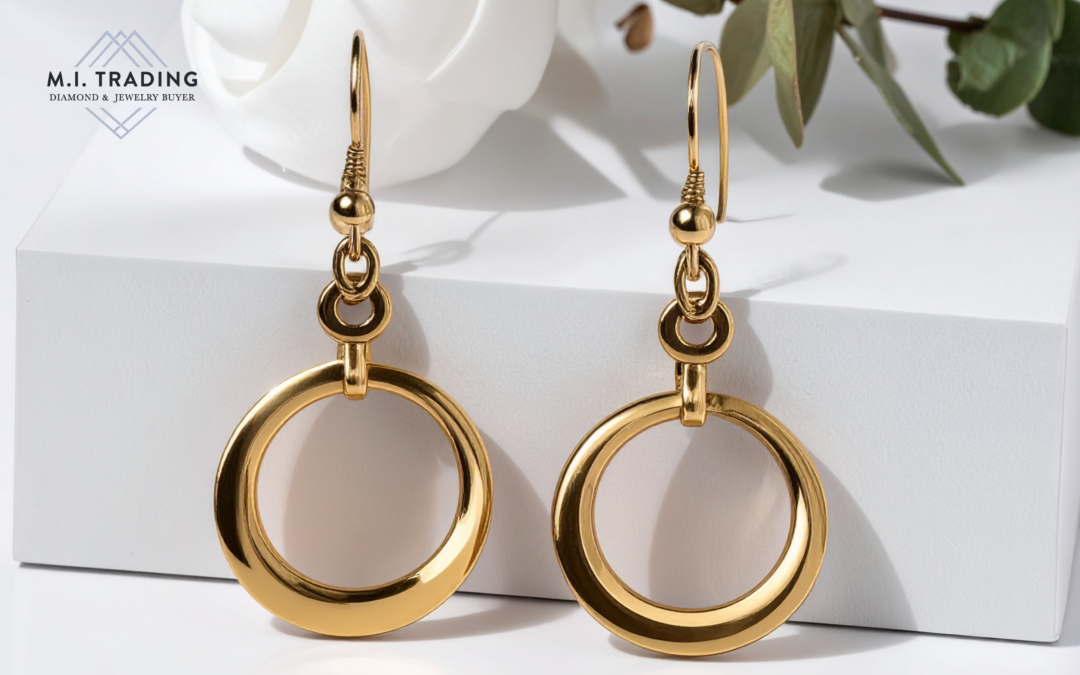
October has a way of bringing forgotten things back into view. Decorations come down from the attic, old boxes get opened, and drawers that have stayed untouched for months suddenly get some attention. Somewhere between the costume jewelry, tangled chains, and keepsakes, you may find a piece of gold you have not thought about in years.
That discovery often leads to one question: what is it actually worth?
Understanding gold resale value can remove much of the mystery. A ring that looks outdated may contain valuable gold. A broken bracelet may still have resale potential. Even a single earring can be worth examining if it contains genuine gold.
The tricky part is that appearance tells you very little by itself. Gold value depends on measurable details such as purity, weight, current market conditions, and the characteristics of the item itself.
For people in Austin who are sorting through old jewelry this fall, a little knowledge can make the process feel far less uncertain. Think of the markings, weight, and construction of each piece as clues. Once you know what they mean, the mystery becomes much easier to solve.
Why Gold Resale Value Can Hold a Few Surprises
Many people form an opinion about jewelry based on how it looks. A heavy necklace seems valuable. A thin chain seems insignificant. A scratched ring might look ready for the discard pile.
Gold does not follow those assumptions very well.
A plain piece can contain a meaningful amount of precious metal, while something large and decorative may contain less gold than expected. Hollow construction, lower karat purity, added stones, and non-gold components can all affect the final calculation.
That is why gold resale value sometimes surprises owners in either direction.
A broken clasp usually does not erase the metal value of a genuine gold chain. A missing earring does not make its matching piece worthless. Jewelry that went out of fashion decades ago can still contain gold with current resale demand.
Sentimental value creates another layer. A piece inherited from a parent or grandparent may feel extremely important even when its resale value is modest. Another item sitting unnoticed in a drawer may carry little emotional meaning while containing a useful amount of gold.
Knowing the difference gives you better information before making any decision.
October provides a fitting time to look through those forgotten jewelry boxes. You may find fewer tricks and a few worthwhile surprises.
Old Jewelry Box Finds Worth Taking a Closer Look At
Gold jewelry rarely stays perfectly organized. Chains become tangled. Earrings lose their partners. Rings stop fitting. Bracelets break and disappear into the back of a drawer.
Those pieces still deserve attention.
Common jewelry-box finds include:
- Broken gold chains
- Single earrings
- Old wedding bands
- Bent rings
- Outdated bracelets
- Inherited gold jewelry
- Pendants without chains
- Damaged clasps
- Unwanted gifts
- Jewelry from past relationships
Condition can affect how an item is viewed, especially when craftsmanship, gemstones, or resale as finished jewelry may contribute to its worth. Gold content itself remains an important part of the calculation.
That distinction matters when considering gold resale value.
A damaged 14K bracelet, for example, still contains gold. Its condition may reduce its appeal as wearable jewelry, but its metal content can still be measured according to purity and weight.
Some pieces may also include diamonds, colored gemstones, or design features worth examining separately. Treating every item as simple scrap can overlook details that deserve consideration.
You do not need to identify everything yourself. Start by setting aside pieces that have gold markings or that you believe may contain precious metal. Even jewelry with unclear markings may be worth checking rather than guessing from color alone.
The goal is simple: understand what you own before deciding what stays in the jewelry box and what you may be ready to sell.
What Really Determines the Gold Resale Value
The mystery becomes much smaller once you understand the main factors behind gold resale value.
Gold purity
Pure gold is commonly described as 24 karat. Jewelry is often made with gold mixed with other metals because pure gold is relatively soft.
Common purity levels include:
- 10K gold
- 14K gold
- 18K gold
- 22K gold
Higher karat numbers indicate a larger proportion of gold in the alloy.
An 18K piece therefore contains more pure gold by proportion than an otherwise identical 14K piece.
Weight
Weight also matters. Two rings with the same purity can carry different amounts of gold if one is substantially heavier.
Accurate weighing becomes especially useful when comparing several pieces.
Current gold market conditions
Gold prices move over time. The market price of gold today may differ from what it was when your jewelry was purchased five, ten, or thirty years ago.
That means an old purchase receipt does not automatically tell you the present resale value.
The retail price paid for jewelry originally may have included design work, manufacturing, branding, store expenses, and retail markup. Resale calculations are based on what the item represents in today’s secondary market.
Construction and other materials
Jewelry may contain stones, clasps, springs, solder, or other components. Hollow jewelry also weighs differently from solid pieces of a similar size.
An experienced buyer should be able to explain which characteristics are affecting the amount being discussed.
Clear explanations matter because a number without context leaves plenty of room for second-guessing.
Gold Marks and Clues That Reveal What You Own
Halloween mysteries usually come with clues. Gold jewelry does too.
One of the easiest places to begin is the small stamp hidden inside a ring, near a clasp, or on the back of a pendant.
You may see marks such as:
10K
This indicates 10-karat gold.
14K
A very common purity for jewelry in the United States.
18K
Contains a higher proportion of gold than 14K.
22K
A high-purity gold alloy often seen in certain jewelry traditions and styles.
Some pieces may use numerical fineness markings rather than karat markings.
These tiny stamps can provide useful information, although they should be treated as one clue rather than the entire answer. Jewelry can be worn, repaired, altered, or incorrectly marked over its lifetime.
Color alone also provides limited information. White gold, yellow gold, and rose gold can all contain genuine gold even though they look very different. Metal alloys influence their final color.
Gold-plated jewelry creates another source of confusion. A piece with a thin layer of gold over another base metal has a very different gold resale value from solid karat gold jewelry.
If the markings are difficult to read or missing completely, avoid making a final judgment from appearance. Proper testing can clarify what the metal contains.
That is often easier than trying to solve the mystery with a magnifying glass at the kitchen table.
Why Two Gold Buyers May Give Different Numbers
Finding two different offers for the same jewelry can feel unsettling. Sellers sometimes assume gold should produce one universal number because market prices are publicly available.
The resale process has more variables.
Buyers may use different business models, costs, resale channels, testing procedures, or margins. One buyer may also identify details another person overlooked.
This makes comparison useful.
When discussing gold resale value, ask how the number was reached. You should be able to understand the role of purity, weight, market price, and any additional characteristics of the piece.
Pay attention to how comfortably questions are answered.
A clear conversation may include explanations about:
- The karat purity found in the piece
- How much the relevant gold weighs
- Current market conditions
- Whether gemstones affect the calculation
- Whether the item has characteristics beyond its metal content
- How the resulting offer was determined
You should leave with a clearer picture of what you own, even if you decide to keep it.
That understanding can prevent the nagging feeling that you accepted a number simply because it was placed in front of you.
Smart Ways to Avoid a Frighteningly Low Gold Offer
A Halloween scare is fun when it involves costumes and haunted houses. A confusing jewelry transaction is far less entertaining.
Preparation can help.
Start by gathering the jewelry you want to discuss. Look for markings when they are easy to find, but resist the temptation to perform aggressive home tests that could damage a piece.
Bring any useful paperwork you already have. Receipts or older records can provide background information, though they do not determine today’s gold resale value by themselves.
During the conversation, ask simple questions.
- What purity was identified?
- How was the weight measured?
- What part of the item contributes most to its value?
- Does anything besides the gold appear relevant?
- How was the offer calculated?
The quality of the explanation can tell you a great deal about the interaction.
Pressure is another warning sign. Learning an item’s value and selling it are two separate decisions. You should have room to hear the information, ask questions, and decide what feels right.
That becomes especially important with inherited or sentimental jewelry. A family ring may require more thought than an unwanted broken chain. Both deserve a calm decision.
For sellers in Austin, an in-person conversation can also make it easier to see how the jewelry is being examined and ask questions as they come up.
Clarity usually removes more uncertainty than chasing the fastest possible quote.
Know Your Gold’s Value Before Making a Decision
Old jewelry has a habit of collecting stories.
Some pieces carry memories. Others have simply been sitting in a drawer since styles changed years ago. A few may have been forgotten completely until an October cleaning session brought them back into the light.
You do not have to decide immediately what happens next.
Understanding gold resale value gives you a useful starting point. Purity, weight, current gold prices, construction, gemstones, and the individual characteristics of the jewelry can all influence what a piece may be worth.
Once those factors are explained clearly, the decision becomes easier to separate from guesswork.
You may choose to sell.
You may decide to keep a sentimental piece.
You may discover that a broken chain deserves more attention than you expected.
Whatever the outcome, knowledge helps prevent the real scare: walking away from a transaction while wondering whether you understood what you had.
This October, take another look at the jewelry hiding in those forgotten boxes and drawers. The most interesting discovery may be the story behind the piece, the gold inside it, or simply the confidence that comes from finally knowing what you own.
Recent Comments