
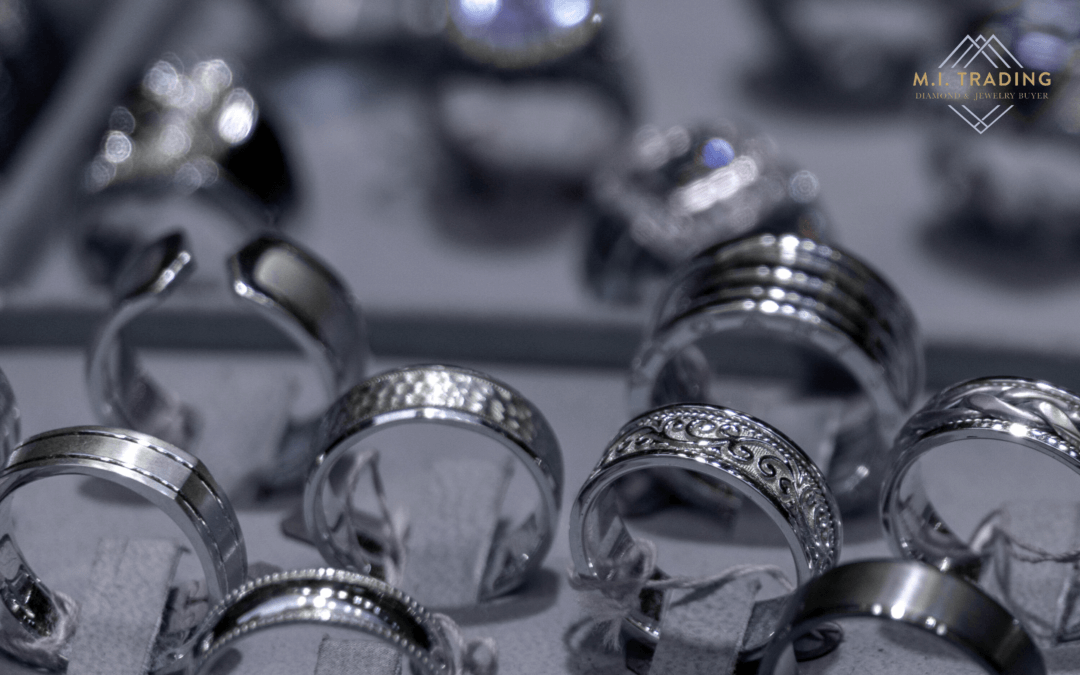
Most people begin with a practical question: What determines what my jewelry is worth?
The answer rests on clearly defined pricing factors. Jewelry carries measurable characteristics that shape value in consistent ways. Weight, purity, condition, craftsmanship, market demand, and grading standards all influence how an offer is calculated. Some elements are visible immediately. Others require magnification, testing equipment, and formal gemological training.
A structured, in-person evaluation provides clarity. Calibrated digital scales measure weight precisely. Metal testing confirms purity. Microscopes reveal clarity characteristics. Live market data anchors pricing to current gold and diamond conditions. Each step follows recognized industry standards, and each pricing factor is explained in plain language.
Clear information removes uncertainty. Sellers understand how numbers are determined and how their specific piece fits within the broader market.
The Core Pricing Factors Buyers Examine First
Every professional evaluation begins with fundamentals. These pricing factors apply across diamonds, gold, platinum, estate jewelry, and luxury pieces.
Weight establishes the numerical foundation. Precious metals are measured in grams or pennyweights. Diamonds are measured in carats to the hundredth decimal. Even minor weight differences influence value calculations.
Purity follows closely behind. Gold is categorized by karat content. Platinum carries purity marks that reflect composition. Testing confirms the actual percentage of precious metal present in the alloy. Accurate identification ensures fair calculations.
Condition influences resale demand. Secure prongs, intact clasps, and structural integrity support stronger offers. Visible wear, bent components, or prior repair work affect market perception.
Craftsmanship adds another dimension. Hand-assembled settings, balanced proportions, and precise stone placement often attract greater interest than mass-produced designs.
Together, these foundational pricing factors establish a reliable baseline.
Diamond Pricing Factors That Influence Real Offers
Diamonds are graded according to globally recognized standards. Each characteristic contributes to the overall market position of the stone.
Cut quality determines light performance. Proportions, symmetry, and polished shape brilliance and fire. Strong light return increases desirability in the resale market.
Clarity reflects internal inclusions and surface features observed under magnification. The size, placement, and visibility of these characteristics affect grade and demand.
Color grading evaluates tone under standardized lighting. Subtle shifts between grades can influence pricing brackets.
Carat weight and visual spread are evaluated together. Two diamonds with identical carat weights can appear different in face-up size depending on proportions. Market value reflects both measurable weight and visible presence.
These diamond pricing factors operate collectively. Accurate grading depends on consistency and trained observation.
Gold and Precious Metal Pricing Factors Explained
Gold jewelry often enters evaluation as inherited pieces, broken chains, or items no longer worn.
Karat content identifies how much pure gold exists within the alloy. Ten, fourteen, eighteen, and twenty-two karat gold contain increasing percentages of gold. Testing verifies composition before calculations begin.
Current market conditions also shape value. Gold and platinum trade daily in global commodity markets. Pricing reflects live rates at the moment of evaluation.
When jewelry includes stones, the metal weight is calculated separately. Removing non-metallic components ensures that the melt value reflects the actual precious metal content.
Platinum and silver follow their own market structures. Density, purity, and demand each influence final calculations.
These metal-based pricing factors rely on measurable data rather than assumptions.
Estate Jewelry Pricing Factors That Add Complexity
Estate jewelry introduces additional considerations beyond metal and diamond grading.
Brand recognition influences buyer interest. Signed pieces from established designers often command secondary-market demand. Historical context also plays a role. Art Deco, Mid-Century, Retro, and contemporary designs move through cycles of popularity.
Condition and restoration history affect value. Original components and well-preserved settings tend to support stronger resale potential. Structural soundness remains essential.
Gemstone rarity adds depth to the evaluation. Natural sapphires, emeralds, and rubies are assessed for color, clarity, treatment status, and overall quality.
Estate jewelry pricing factors require historical knowledge and hands-on experience to interpret accurately.
Market Pricing Factors Unique to Austin Sellers
Local demand shapes resale dynamics in measurable ways.
Austin buyers often show consistent interest in natural diamonds, classic engagement rings, and wearable gold jewelry. Regional preferences influence how quickly items move and how strongly they are valued.
In-person evaluations provide precision. Physical inspection confirms metal content, verifies diamond grading, and assesses structural integrity with greater accuracy than remote photo submissions.
Community reputation also contributes to the experience. Austin residents value direct communication and steady professionalism. Face-to-face consultations allow a clear explanation of pricing factors and a transparent review of findings.
Keeping transactions local eliminates shipping risks and logistical uncertainty.
Hidden Pricing Factors Most Sellers Overlook
Some pricing factors require specialized tools to identify.
Fluorescence becomes visible under ultraviolet light. Its strength can influence market desirability depending on intensity and buyer preference.
Proportions and symmetry affect how a diamond performs visually. Exact millimeter measurements determine light return and balance.
Girdle thickness impacts durability. Thin girdles increase the risk of damage. Thick girdles add weight without enhancing appearance.
Documentation also strengthens buyer confidence. GIA grading reports and recognized certifications provide independent verification of quality characteristics.
These technical pricing factors distinguish thorough evaluations from surface-level estimates.
How a GIA Graduate Gemologist Applies Pricing Factors
Formal training establishes structure and consistency. A GIA graduate gemologist follows standardized grading systems that align with international criteria.
Professional tools support precision. Microscopes reveal internal characteristics. Diamond scales measure weight accurately. Metal analyzers confirm purity. Controlled lighting ensures accurate color assessment.
Each characteristic is reviewed methodically. Sellers receive clear explanations of how pricing factors apply to their specific piece. Private, appointment-only consultations allow uninterrupted discussion and focused attention.
Structured evaluation builds confidence through clarity.
Comparing Pricing Factors: Pawn Shops vs. Local Specialists
Business models influence pricing methodology.
High-volume buyers often apply broader margins to manage risk across diverse inventory. Specialized diamond and jewelry buyers focus on detailed grading and targeted market demand.
Transparency varies between environments. Clear breakdowns of pricing factors allow sellers to understand how value was determined.
Local accountability carries weight in Austin. Long-standing businesses operate within a close community where reputation matters. Understanding how pricing factors differ across settings helps sellers interpret offers with greater confidence.
Pricing Factors and Emotional Attachment
Jewelry frequently represents milestones, relationships, and family history.
Emotional value remains personal. Market value follows measurable standards.
Inherited pieces carry meaning, yet metal purity and gemstone grading remain objective. Life transitions such as divorce or relocation often prompt selling decisions. Clear explanations provide stability during periods of change.
Unworn jewelry still holds measurable worth based on weight, purity, condition, and gemstone quality. Objective pricing factors support steady, informed choices.
Understanding Pricing Factors Before You Sell
Preparation encourages clarity.
Bringing grading reports or receipts provides a useful background. Asking specific questions during an evaluation deepens understanding. Scheduling a private consultation allows uninterrupted conversation.
Taking time to review the explanation and the offer supports thoughtful decisions. Knowledge reduces uncertainty. Transparent communication strengthens trust.
Final Thoughts on Pricing Factors and Fair Evaluations
Jewelry value follows established principles. Pricing factors such as weight, purity, cut quality, condition, craftsmanship, and market demand shape every offer. Accurate measurement and clear explanation allow sellers to understand how value is determined.
In Austin, working with a local diamond buyer who emphasizes education, professionalism, and direct communication provides reassurance. A private evaluation delivers precise measurements and structured reasoning.
Clear information builds confidence. Confident decisions follow naturally.
Recent Comments