
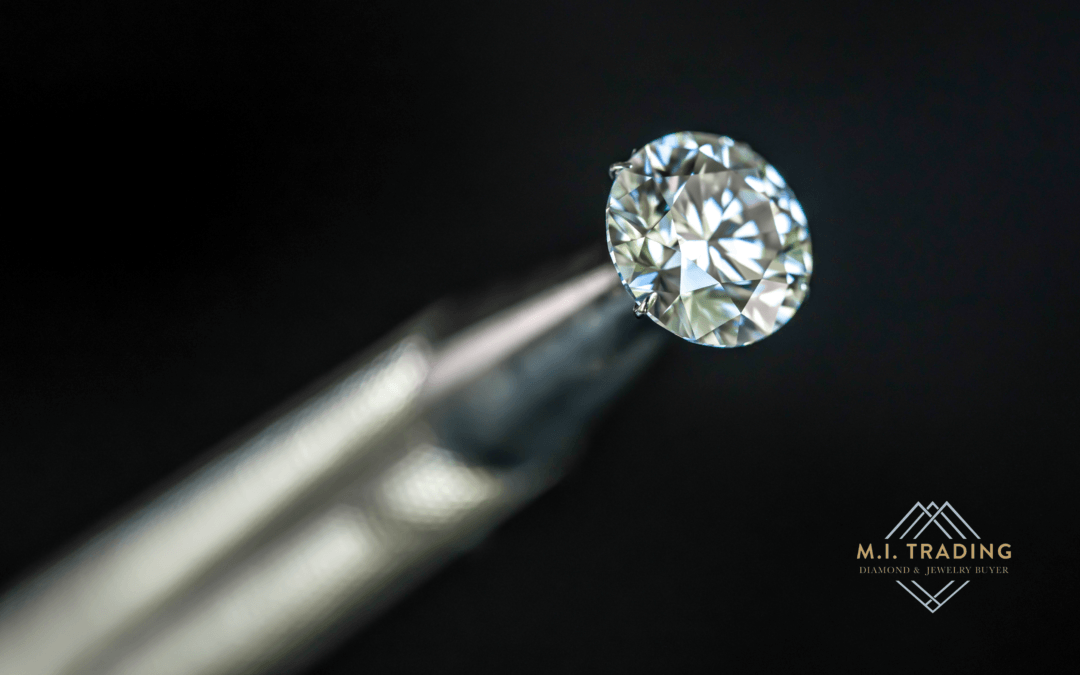
People often reach a point where they look at a piece of jewelry and wonder what it’s actually worth today. That question becomes more complicated with newer types of diamonds. If you’ve asked yourself, “Can you sell lab-grown diamonds?” you’re not alone. Many owners start with curiosity, then run into mixed answers, unclear expectations, and a lot of conflicting information.
This guide walks through what’s happening in the market, why selling can feel difficult, and how to approach the decision with clarity.
Understanding Lab-Grown Diamonds and Their Market
Lab-grown diamonds are real diamonds in a technical sense. They share the same chemical structure as natural diamonds. The difference lies in how they are formed. One comes from the earth over billions of years. The other is created in a controlled environment using advanced technology.
That difference shapes how the market responds to them.
Natural diamonds carry a long-established resale market. Buyers, collectors, and dealers understand how to evaluate them and where they fit in pricing structures. Lab-grown diamonds entered the market more recently, and their role is still evolving.
Retail demand for lab-grown stones has grown because they offer a lower upfront price. That makes them appealing for first-time buyers or those focused on size and appearance. The resale side tells a different story. Demand from secondary buyers remains limited, and that gap creates confusion for many sellers.
Can You Sell Lab-Grown Diamonds in Today’s Market?
The short answer is that selling is possible in some cases, but options are narrow, and outcomes vary.
When people search, ” Can you sell lab-grown diamonds?” they are usually expecting a straightforward process similar to selling a natural diamond. That expectation does not match current market behavior. Many traditional diamond buyers focus on natural stones because they hold consistent resale demand.
Some sellers turn to private listings or online platforms. Others explore local buyers or jewelry stores. Results tend to be inconsistent. Interest is often low, and pricing can fall well below what the item originally cost.
This does not mean there is zero interest. It means the pool of buyers is small, and pricing is driven by current retail availability rather than rarity.
Why Lab-Grown Diamonds Have Little Resale Demand
The main factor comes down to supply.
Lab-grown diamonds can be produced in large quantities. As technology improves, production becomes faster and more cost-efficient. That steady supply keeps retail prices moving downward over time.
Buyers in the secondary market look at what they can purchase brand new. If a similar lab-grown diamond is available at a lower retail price than before, there is little incentive to pay a premium for a pre-owned one.
This creates a cycle. Lower retail pricing leads to lower resale interest. Lower resale interest leads to fewer buyers willing to make offers.
Natural diamonds follow a different pattern. Their supply is limited by nature, and that scarcity supports ongoing demand in resale channels.
What Buyers Look for When Evaluating Diamonds
Buyers approach diamonds with a focus on resale potential. They consider how easily the stone can be resold and what demand exists for it.
Natural diamonds often meet those criteria. They have established grading systems, consistent demand, and a long history in both retail and resale markets. That stability makes them easier for buyers to evaluate with confidence.
Lab-grown diamonds do not carry the same resale track record. Buyers see a product that continues to drop in retail price and remains widely available. That affects how they approach purchasing decisions.
Even when a lab-grown diamond looks identical to a natural one, the market treats them differently. The difference comes from demand, not appearance.
Price Reality: What Sellers Often Expect vs. Market Response
Many sellers base their expectations on the original purchase price. That number reflects a retail environment, branding, and markups at the time of sale.
When entering the resale market, pricing shifts to a different framework. Buyers focus on current market conditions, not past retail value.
For lab-grown diamonds, this gap can feel significant. Sellers may expect a portion of what they paid. Offers, when they exist, are often much lower.
This disconnect creates frustration. It also leads to hesitation, with many people choosing to hold onto their jewelry rather than accept a price that feels far from their expectations.
Understanding this dynamic early helps avoid that frustration. It brings clarity to what the market is actually offering today.
Where People Try to Sell Lab-Grown Diamonds
Most sellers explore a few common paths.
Online marketplaces are often the first option. These platforms allow individuals to list items and set their own prices. The challenge comes from competition. Listings can sit for long periods without serious inquiries.
Private buyers represent another route. These are less predictable and depend heavily on finding someone specifically interested in that type of diamond.
Local jewelry buyers or stores may also be considered. Many of these businesses focus on natural diamonds and may decline lab-grown stones due to limited resale demand.
Each path involves uncertainty. The outcome depends on timing, pricing, and the availability of a willing buyer.
Emotional Factors That Influence Selling Decisions
Jewelry often carries personal meaning. It may be tied to relationships, milestones, or family history. That emotional connection shapes how people approach selling.
Some feel ready to let go and move forward. Others want to understand their options before making a decision. Many simply want clarity so they can decide without second-guessing.
Lab-grown diamonds add another layer to that process. The uncertainty around resale value can make the decision feel heavier.
Taking time to understand the market removes some of that pressure. It allows the decision to come from a place of clarity rather than confusion.
How to Understand Your Diamond’s True Position in the Market
Clarity begins with accurate information.
The first step involves confirming whether the diamond is lab-grown or natural. This distinction shapes everything that follows, from demand to pricing.
From there, understanding how the market views that type of diamond helps set realistic expectations. This includes looking at current retail prices, availability, and buyer behavior.
A professional evaluation can provide that clarity. It gives you a clear understanding of what you have and how it fits into today’s market.
When you have that information, the decision becomes simpler. You know where your item stands, and you can choose your next step with confidence.
What to Do If You Are Unsure About Your Diamond
Uncertainty is common, especially for those who purchased their diamond years ago or received it as a gift.
Start by gathering any documentation you have. Certificates, receipts, or previous evaluations can provide helpful details.
If that information is incomplete, an in-person evaluation offers clarity. A trained professional can identify whether the diamond is lab-grown and explain how it is viewed in the current market.
This step removes guesswork. It replaces uncertainty with clear, factual information.
Why Some Jewelry Still Holds Value Beyond the Center Stone
Even when the center stone has limited resale demand, the rest of the piece may still carry value.
Precious metals such as gold or platinum retain consistent demand. The weight and purity of the metal play a role in how it is valued.
The setting and craftsmanship may also contribute, especially if the piece has unique design elements.
In some cases, sellers choose to repurpose the jewelry rather than sell it as a whole. This can involve resetting the stone or redesigning the piece into something new.
Looking at the full piece, rather than focusing only on the diamond, opens up additional options.
Questions People Ask Before Trying to Sell
One common question is whether lab-grown diamonds will increase in value over time. Current trends show continued production growth and declining retail prices, which affect long-term resale expectations.
Another question involves whether specialized buyers exist. Some niche markets may show interest, though they are not widespread and can be difficult to access.
Many also ask whether it is worth trying to resell at all. The answer depends on personal priorities. Some prefer to explore every option. Others decide to keep or repurpose the piece once they understand the market.
Each of these questions reflects a desire for clarity. Having accurate information helps bring those answers into focus.
Making a Calm, Informed Decision About Your Jewelry
Selling jewelry is a personal decision. It involves both financial considerations and emotional ones.
Understanding if you can sell lab-grown diamonds in realistic terms removes uncertainty. It allows you to approach the decision with clear expectations rather than assumptions.
Some choose to hold onto their piece. Others explore resale options, even with limited demand. Some decide to redesign or repurpose their jewelry into something new.
There is no single right answer. The right choice is the one that feels clear and considered.
When you have accurate information, you no longer have to question what your jewelry might be worth or whether you are missing something. You can move forward knowing you understand your options and the market around them.
Recent Comments