
Many people sit on valuable jewelry for years because they feel uncertain about the selling process. Some worry about receiving a low offer. Others feel uneasy walking into a jewelry store without knowing what their diamond may actually be worth. That hesitation is understandable.
Diamond value can vary based on several factors, and many sellers never receive a clear explanation of how buyers arrive at their numbers. A rushed conversation often leaves people with more questions than confidence.
A calm, educational evaluation helps sellers understand what affects their jewelry’s worth so they can make informed decisions without pressure.
What Most People Miss About Diamond Value
Many sellers assume diamond value depends only on size. Carat weight matters, though it represents only one part of the picture.
A diamond’s condition, shape, cut quality, market demand, certification, and overall appearance all influence value. Two diamonds with the same carat weight may sell for very different amounts depending on these details.
Jewelry settings also affect how buyers evaluate a piece. A well-crafted vintage ring with strong market appeal may hold more value than a newer setting with weaker craftsmanship.
Most people never receive explanations about these differences. They hear a number without understanding how that number was determined. Clear communication changes the experience entirely.
Hidden Details That Can Raise Diamond Value
Small details often influence diamond value more than sellers expect.
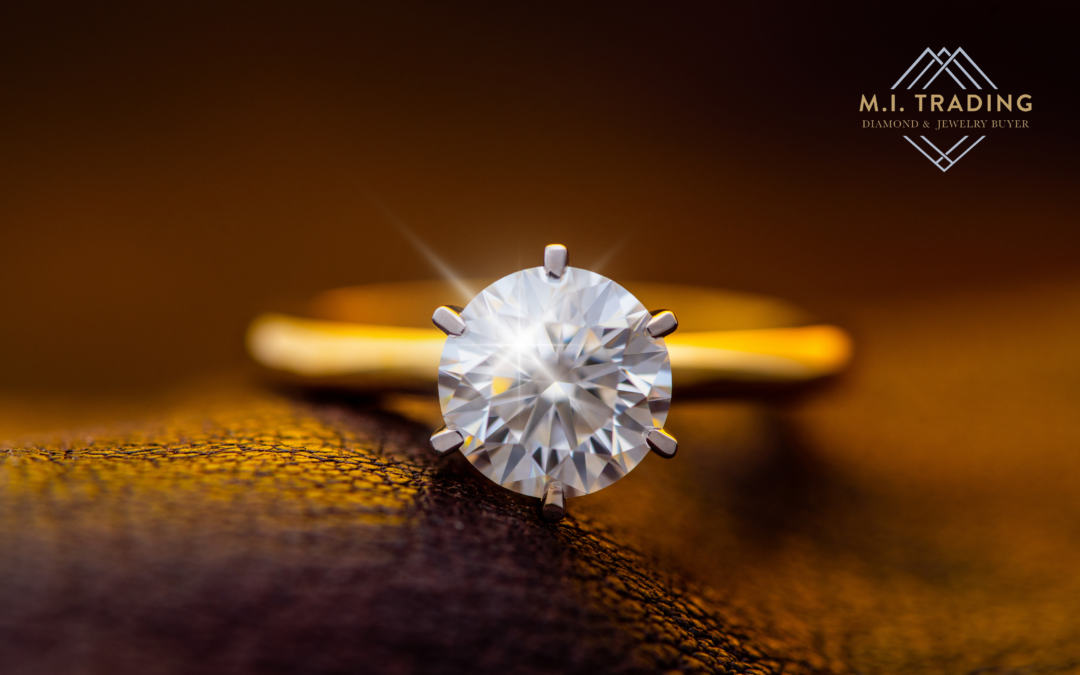
Strong light performance can increase interest in a diamond. A stone that reflects light evenly and appears lively under normal lighting conditions typically attracts stronger offers.
Certification also matters. Diamonds with grading reports from respected laboratories often provide buyers with greater confidence regarding quality characteristics.
Certain shapes may hold a stronger demand depending on current market trends. Round brilliant diamonds usually maintain consistent demand, while oval, emerald, and cushion cuts continue gaining popularity in many markets.
Well-maintained jewelry also helps preserve value. Clean settings, intact prongs, and minimal visible wear create stronger first impressions during evaluations.
Why Two Buyers May Quote Different Diamond Values
Many Austin sellers feel confused after receiving very different offers from multiple buyers.
Some buyers focus heavily on resale margins. Others specialize in estate jewelry or loose diamonds and may evaluate pieces differently based on their business model.
Experience also plays a major role. A trained gemologist often notices details that less experienced buyers may overlook. Those observations can influence diamond value significantly.
Communication styles vary as well. Some sellers leave appointments feeling rushed because the buyer provided little explanation. A transparent evaluation creates a calmer experience and helps people understand exactly what affects their jewelry’s worth.
How Cut Quality Shapes Diamond Value
Cut quality affects a diamond’s beauty more than almost any other factor.
A well-cut diamond reflects light evenly across the stone, creating brightness and sparkle. Poor proportions can cause light leakage, making a diamond appear dull even when clarity and color grades look strong on paper.
Many sellers focus heavily on carat weight while overlooking cut quality entirely. Buyers pay close attention to symmetry, polish, proportions, and overall visual balance because those traits strongly influence market demand.
Round brilliant diamonds with excellent cut grades often command stronger prices than larger stones with weaker proportions.
Cut quality also impacts how large a diamond appears visually. A properly cut stone may look brighter and more impressive than a heavier diamond with poor proportions.
The Real Impact of Diamond Size and Clarity
Larger diamonds generally carry higher value, though clarity and overall appearance still matter greatly.
Clarity refers to internal features and surface characteristics within the diamond. Some inclusions remain invisible without magnification, while others affect transparency and brilliance.
Most buyers evaluate how noticeable these features appear during normal viewing conditions. A diamond with small inclusions hidden near the edges may still show strong visual appeal.
A slightly smaller diamond with excellent brightness and eye-clean clarity may generate stronger interest than a larger stone with visible flaws.
Many sellers feel surprised after learning how these qualities interact together during an evaluation.
Vintage Jewelry and Diamond Value Explained
Vintage jewelry often carries a unique market appeal.
Handcrafted settings, antique designs, and estate pieces may attract collectors or buyers seeking distinctive styles. Older jewelry can also contain craftsmanship details rarely found in modern mass-produced pieces.
Diamond value within vintage jewelry depends on several elements:
- Overall condition
- Era and design style
- Center stone quality
- Metal content
- Market demand
Some sellers assume older jewelry automatically holds high value because of age alone. Actual demand depends on craftsmanship, rarity, and buyer interest within today’s market.
A careful in-person evaluation helps clarify how these factors work together.
Why Online Diamond Value Estimates Often Fall Short
Online calculators provide rough estimates based on limited information. They cannot fully evaluate a diamond’s brilliance, condition, craftsmanship, or visual appeal.
Lighting conditions in photos also affect how stones appear online. Small differences in color or clarity may look very different in person.
Many online buyers request shipments before providing final numbers. That process creates uncertainty for some sellers, especially when valuable jewelry travels through the mail.
In-person evaluations provide a clearer experience. Sellers can ask questions, review details directly, and understand how the buyer reached their conclusions.
Private appointments also create space for thoughtful conversations without pressure or rushed decisions.
Smart Questions to Ask Before Accepting a Diamond Value Offer
Good questions help sellers feel more confident during the process.
Consider asking:
- How was the diamond’s value determined?
- What qualities affected the offer most?
- Is the diamond certified?
- Does the setting influence the value? What current market trends affect pricing?
- Can the buyer explain the evaluation clearly?
A trustworthy buyer welcomes questions and explains information openly.
Clear answers help sellers avoid confusion and reduce the risk of regret afterward.
How a GIA-Trained Buyer Examines Diamond Value
Professional training helps buyers evaluate diamonds accurately and consistently.
A trained buyer examines several key areas during the evaluation process:
- Carat weight
- Color
- Clarity
- Cut quality
- Shape
- Market demand
- Condition of the jewelry
Specialized tools help inspect details that may not be visible to the naked eye. The evaluation process also includes examining the setting, metal type, and overall craftsmanship.
Clients benefit from clear explanations that break down how each factor influences diamond value.
Diamond Value Factors That Surprise Many Sellers
Several factors catch sellers off guard during evaluations.
Fluorescence can influence market demand in certain diamonds. Strong fluorescence may affect appearance under specific lighting conditions.
Certification dates can also matter. Older grading reports sometimes require updated verification depending on market expectations.
Jewelry damage impacts value as well. Loose stones, chipped diamonds, worn prongs, or missing accent stones may reduce buyer interest.
Current trends influence demand too. Some diamond shapes and jewelry styles remain highly sought after, while others move more slowly within the resale market.
These details explain why two pieces that appear similar at first glance may receive very different evaluations.
What Happens During a Private Diamond Value Evaluation
Many first-time sellers feel nervous before an appointment because they do not know what to expect.
A private evaluation usually begins with a conversation about the jewelry and any available documentation. The buyer then examines the item carefully using gemological tools and professional lighting.
During the appointment, clients can ask questions freely. The goal is education and clarity, not pressure.
Evaluations often take place in a calm, private setting designed to help people feel comfortable discussing valuable or sentimental jewelry.
Some clients decide to sell immediately. Others take time to think things over. Both choices are respected.
How Austin Sellers Can Protect Their Diamond Value
Preparation helps sellers protect their jewelry and make informed decisions.
Before meeting with a buyer:
Gather any diamond certificates or receipts
- Clean jewelry gently using safe methods
- Avoid risky shipping situations
- Research local buyers carefully
- Read reviews from past clients
- Choose experienced professionals with transparent communication
Local evaluations often provide greater peace of mind because sellers remain present throughout the process.
Austin residents frequently seek buyers who provide honest explanations, private appointments, and respectful conversations. Those qualities help reduce uncertainty during emotionally sensitive sales.
When Repair Damage Can Affect Diamond Value
Damaged settings and poorly performed repairs can reduce buyer confidence.
Loose prongs, uneven resizing work, cracked mountings, or chipped diamonds may affect both appearance and structural integrity.
Some repairs improve presentation and stability. Others create visible issues that buyers notice immediately during inspection.
Sellers sometimes attempt quick repairs before appointments without realizing the work may create additional concerns. Professional evaluations help determine whether repairs support or reduce overall value.
Keeping jewelry in stable condition and storing it properly over time helps preserve long-term diamond value.
Why Clear Explanations Matter During Diamond Value Reviews
Selling jewelry often carries emotional weight.
Some pieces represent engagements, family history, anniversaries, or major life changes. A respectful conversation helps sellers feel heard and informed throughout the process.
Clear explanations remove confusion. People gain confidence when they understand how quality, market demand, and condition influence value.
That educational approach helps clients leave with useful information, whether they choose to sell or continue exploring options.
Transparency creates trust. Calm conversations help people make decisions they feel comfortable with afterward.
Finding a Trusted Austin Expert for Diamond Value Guidance
Choosing the right buyer matters.
Experience, transparency, and communication shape the entire experience for sellers. A private educational evaluation helps people clearly understand their jewelry before making any decisions.
Moran has built a strong reputation in Austin through respectful service, fair evaluations, and honest conversations. His one-on-one approach allows clients to ask questions, understand their diamond value clearly, and make decisions at their own pace.
If you want a clearer understanding of your diamond value, scheduling a private evaluation can provide helpful insight and peace of mind before moving forward.
Recent Comments