
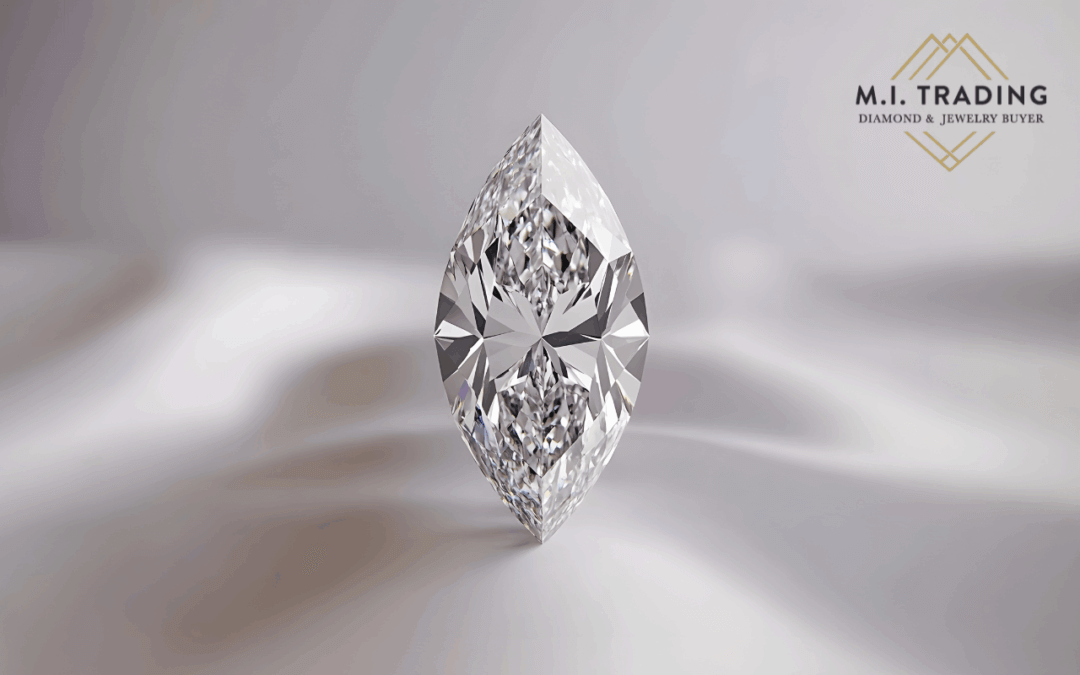
Diamonds pass through chapters of life. Some become symbols of commitment, some settle quietly into a jewelry box, and others travel through generations. When the moment arrives to sell one, the first thing on most people’s minds is price. Yet one detail shapes that number more than many expect: the diamond cut.
Cut controls how a diamond interacts with light. It affects brightness, fire, and the lively spark people often describe without knowing why. Even subtle choices made by the original cutter influence how a diamond looks, and those choices directly affect resale value. When sellers understand these details, they walk into an evaluation with clearer expectations.
What follows is a steady, reader-friendly guide that explains how cut works, why it matters, and how you can assess your own stone with more confidence.
Why Diamond Cut Plays a Big Role in Resale Value
Every diamond behaves differently under light. A well-cut diamond channels light through balanced proportions and polished facets, creating a bright, energetic appearance. A stone with a good cut grade or excellent cut grade often stands out immediately because it shows unmistakable brilliance.
Buyers respond to what they see in real time. A poorly cut stone with a lower cut grade may carry the same clarity or carat weight as a well-cut one, yet the difference in sparkle makes its value feel noticeably different. A muted stone appears older, tired, or less refined. A lively stone feels more desirable.
Cut becomes one of the most influential parts of diamond grading, and that influence often outweighs numbers on a certificate.
How Light Performance Influences What Buyers See
Light performance describes the way a diamond manages brightness, fire, and contrast. Each facet acts like a small reflector. When the diamond cut supports clean paths for light to travel, the result is eye-catching sparkle from center to edge.
A diamond that handles light well creates a strong first impression under daylight, indoor lighting, and even soft shadows. A poorly cut stone, on the other hand, may appear uneven, with dim patches or areas where the sparkle seems to disappear entirely.
Evaluators pay attention to the appearance of a diamond as it moves. They tilt it gently to see how flashes shift across its surface. These reactions help shape their view of quality and, ultimately, value.
Cut Grades Explained in Simple Terms
Most diamonds come with a cut grade listed in their report. The diamond cut grading system usually includes five levels that reflect craftsmanship and proportions:
- Excellent
- Very Good
- Good
- Fair
- Poor
An excellent cut grade signals strong proportions and polish. A good cut grade can still perform well, while a poor cut grade often looks dull, even in bright settings. The highest cut grade supports strong resale value, while a poorly cut diamond may bring a noticeably lower offer.
This grading system helps buyers determine whether a diamond meets the standards associated with current cutting styles and expectations.
Proportions, Symmetry, and Polish: The Key Details
When you hear people say a diamond cut determines how the stone performs, they are talking about three technical elements: proportions, symmetry, and polish.
Proportions describe how the angles and measurements relate: table size, depth, crown height, and pavilion angles. These details guide how light moves through the diamond. If a diamond’s outline is pleasing but its angles fall outside recommended ranges, light may leak instead of reflecting outward.
Symmetry deals with alignment. Facets must line up cleanly to create fluid reflections. Small deviations can interrupt light flow, softening brilliance.
Polish refers to the smoothness of each surface. A well-polished diamond reflects light smoothly, while roughness scatters it.
Buyers use these elements to determine its cut grade and judge the stone’s visual potential.
How a Well-Cut Stone Performs in Natural Austin Light
Natural sunlight across Austin tends to reveal a diamond’s true personality. Indoor lighting can flatter nearly any stone, but open daylight allows even slight differences in diamond cut to become clear.
A well-cut round brilliant cut diamond bursts with brightness outdoors. An emerald cut carries long, elegant reflections. A princess-cut diamond shows crisp edges and lively flashes. Shapes like marquise, pear cut diamond, oval diamond, and cushion cut each have their own rhythm of sparkle.
Austin’s bright skies create ideal viewing conditions, and a diamond that looks lively in natural light typically stands strong during resale conversations.
Why Local Buyers Often Prioritize Cut Over Size
In many local markets, including Austin, buyers spend time looking at diamonds in person. When several stones appear side by side, the diamond cut tends to guide the eye more than the carat weight. A smaller ideal cut diamond can look far more impressive than a larger stone with a poor cut.
People gravitate toward stones that feel energetic and show balance from every angle. When a diamond lights up easily, it feels more refined and reassuring. That reaction often leads buyers to favor stones with better cut quality, even if they are slightly smaller.
This preference shows up across most different diamond shapes, from the classic round brilliant cut to modern favorites like the oval diamond or princess cut.
How Cut Affects Offers for Engagement Rings
When an engagement ring enters the resale market, buyers look closely at the center diamond, since it holds most of the ring’s value. The cut strongly shapes how that diamond behaves in light.
A well-proportioned diamond engagement ring stone usually brings cleaner sparkle and more consistent brightness. This creates a healthier impression and supports a stronger offer. A ring with a stone that shows uneven brilliance or shallow performance may lead to more conservative pricing.
The cut grade acts as a guide, but the live appearance always carries weight. Buyers rely on both.
Comparing Modern vs. Older Cuts During Resale
Diamond cutting styles have evolved through the decades. Older stones often feature deeper proportions, fewer facets, or gentler sparkle patterns. Think of antique rose-cut stones or early versions of the step cut that prioritize clarity over brilliance.
Newer stones, including many modified brilliant cuts, focus on consistent sparkle and refined symmetry. When an older cut and a modern cut appear side by side, their differences become clear. Some older stones hold charm and character, while others show wear or outdated proportions.
These contrasts influence resale value, yet many vintage stones still maintain appealing qualities that buyers appreciate, especially when their proportions remain balanced.
Why Two Similar Diamonds Receive Different Offers
Two diamonds can share similar color, clarity, and carat weight, yet still earn different offers. The reason often ties back to the cut.
Light reveals a diamond’s strengths. A diamond with balanced proportions and clean facet work holds its brightness as it moves. Another diamond with similar specs may show dim pockets or uneven reflections because of less deliberate cutting.
Evaluators focus on what they see when they look at a diamond straight on, then slowly rotate it. A lively stone stays engaging across angles. A weaker cut loses energy quickly. Those reactions influence the final offer.
Market Demand in Austin for Certain Cut Styles
Austin buyers show steady interest in a variety of popular diamond shapes and cut styles. The round brilliant cut continues to be favored for its reliable sparkle. The emerald cut appeals to buyers who enjoy clarity and clean geometry. Shapes like oval diamond, cushion cut, and princess cut hold consistent demand.
These preferences shape resale value because stones that already match local tastes tend to move quickly. A well-cut diamond in one of these popular diamond cuts usually gains attention faster than a shape with lower demand.
How Cut Impacts the Value of Inherited or Estate Pieces
Inherited diamonds often carry emotional significance. Still, the value in the resale market depends on how the diamond cut shapes perform today.
Many estate pieces feature unique shapes, early versions of brilliant cuts, or older step cut features. Some stones maintain charm and structure, while others show uneven symmetry or deeper proportions.
Buyers examine the parts of a diamond, including table size, crown angle, and pavilion depth, to understand how the stone interacts with light. A lively estate stone may still earn a strong offer. One with limited brilliance may receive a more modest valuation.
Cut quality remains central in either scenario.
Common Myths About Diamond Cut and Pricing
Some ideas about diamonds create confusion for sellers. Clearing them up provides clarity as you prepare for resale.
Many people assume size determines value. Size does influence price, but a poorly cut large stone can appear dull and earn a smaller offer than a smaller, well-cut diamond. Others confuse diamond shape with diamond cut, but shape simply describes the form, like round, oval, princess, while cut reflects craftsmanship and performance.
Another misconception is that all diamonds appreciate over time. In reality, cut and polished quality influences value more than age. A stone with lively brilliance often holds steady value, while one with muted performance may not.
These clarifications help sellers read their stones with more confidence.
How to Tell If Your Diamond Has a Strong Cut
Most people can get an early sense of cut strength with a few simple observations. Examine the diamond under open daylight and indoor lighting conditions. Pay attention to how evenly the brightness spreads across the stone. Then check whether the shape of a diamond looks balanced.
If you have a small magnifier, examine the facet alignment to see whether the surfaces create clean reflections. You can also compare your stone to others in similar shapes, such as a round brilliant cut, emerald cut, or oval diamond, to see how your diamond holds up.
These steps don’t replace a professional evaluation, but they provide reassurance and help you understand your stone’s overall cut before meeting a buyer.
Final Thoughts on Understanding Diamond Cut and Resale Value
Cut plays a central role in how a diamond performs in light and how buyers perceive it. When a stone carries strong proportions and lively sparkle, it usually stands on more confident ground in the resale market. When the cut falls short, the stone’s energy fades and offers reflect those limitations.
Understanding your diamond’s cut gives you an advantage when reselling it. It helps you interpret the stone’s appearance, see where it shines, and recognize areas where it may fall short. This insight shapes expectations and supports a more informed, calmer path when you decide to sell.
You don’t need to memorize every detail of different types of diamond cuts or every nuance of cut quality. You only need to understand how your stone behaves in light and how the cut shapes that behavior. With that knowledge, you enter the resale conversation ready, steady, and informed.
Recent Comments