
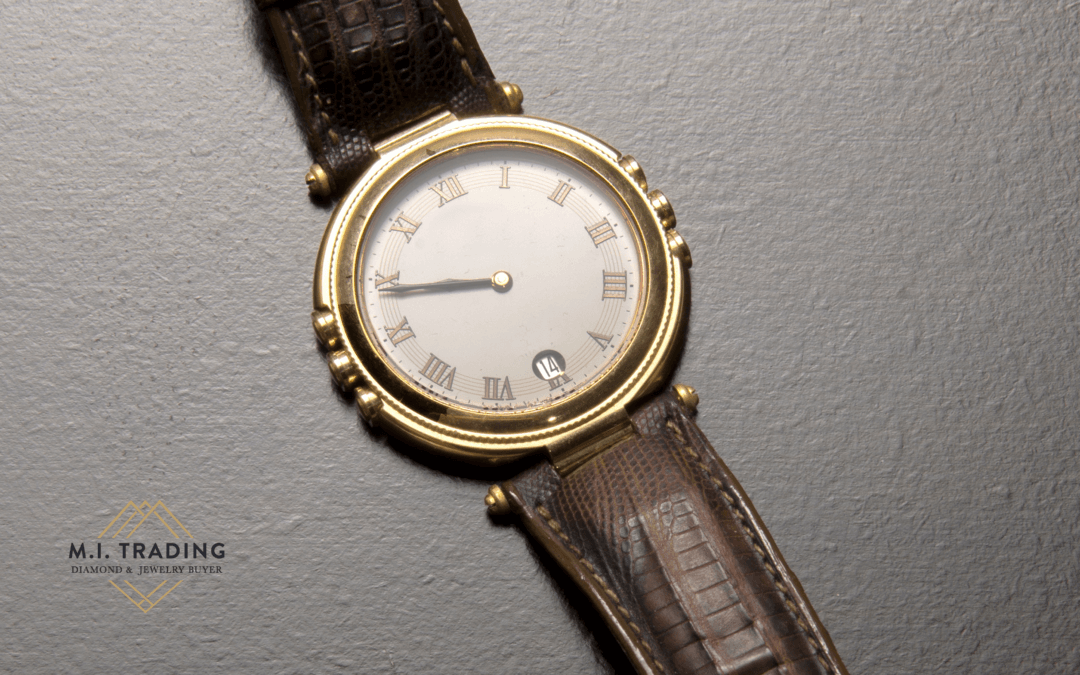
Understanding how resale value works gives watch owners clarity before making selling decisions. Many people assume value comes from the original purchase price or brand recognition alone. In reality, resale pricing follows market behaviour, collector demand, and condition-based evaluation. A skilled watch resale valuer looks at measurable details rather than emotional attachment or retail history.
This guide explains how watch resale value is formed, how buyers assess worth, and how sellers can approach the process with confidence and realistic expectations.
What Defines Watch Resale Value Today?
Watch resale value reflects what informed buyers are willing to pay for a specific timepiece in the current secondary market. That number shifts with demand, availability, and buyer confidence rather than original retail pricing. Market behavior sets the tone, and resale outcomes follow real-world activity rather than price tags from the past.
Professional buyers track recent sales, collector interest, and how often certain models change hands through trusted channels. A watch resale valuer looks closely at liquidity, paying attention to whether a model sells consistently or struggles to attract interest. Watches that move easily tend to hold steadier pricing, while those that linger often require adjustments.
Authenticity remains central to value. Buyers place trust in watches with verified origins, intact serial numbers, and consistent manufacturing details. Documentation adds reassurance, although experienced evaluators can still assess value accurately when paperwork is missing by relying on physical inspection and market knowledge.
Key Factors That Influence Resale Prices
Several measurable factors work together to shape resale pricing. Brand reputation signals long-term reliability and influences how confidently buyers approach a purchase. Brands with strong collector communities benefit from steady interest and repeat demand.
Model demand often outweighs age. Some older references remain highly sought after, while newer releases can soften once availability increases. Movement quality also carries weight, especially when it comes to mechanical watches produced by respected manufacturers known for durability and serviceability.
Material composition contributes intrinsic value, particularly when precious metals are involved, though condition and desirability still guide final pricing. Original components play an equally important role. Factory-correct dials, hands, bezels, and bracelets reinforce authenticity and preserve buyer confidence. A watch resale valuer considers these factors together, forming a complete picture rather than focusing on any single detail in isolation.
Top Brands With Consistently Strong Resale Value
Certain brands perform reliably in resale markets due to sustained buyer interest and long-standing reputations. Rolex continues to attract strong demand across both sport and dress models, supported by consistent production standards and global recognition.
Patek Philippe draws collectors through limited production and historical significance. Even simpler references tend to hold attention when the condition remains strong. Omega benefits from cultural relevance and technical heritage, with iconic models trading acelytiv thanks to broad international appeal.
Cartier appeals to buyers who value design history and understated elegance. Well-preserved examples often maintain steady resale performance. Brand strength supports resale value most effectively when paired with good condition and authentic components.
How Condition Affects Your Watch’s Resale Price
Condition plays a direct role in shaping resale outcomes. Buyers evaluate visible wear, mechanical performance, and originality as part of a broader assessment. Light surface marks usually have little impact when they align with the watch’s age, while deeper scratches, dents, or altered finishes tend to reduce interest.
Over-polishing changes case geometry and weakens collector appeal, especially when original edges and proportions are lost. Mechanical performance also matters. Watches that run accurately and show evidence of proper servicing inspire confidence and stronger offers.
Complete sets consistently improve pricing. Boxes, warranty cards, manuals, and service records demonstrate care and authenticity, making buyers more comfortable moving forward. A watch resale valuer evaluates condition through hands-on inspection, allowing pricing to reflect reality rather than assumptions based on appearance alone.
Market Cycles and Timing Your Sale Smartly
Watch resale markets move in cycles influenced by collector trends, economic conditions, and availability. Limited production models often see increased value during periods of scarcity, while widely available references may stabilize or soften as supply grows.
Auction results shape expectations across the market. Strong public sales reinforce confidence, while weaker results encourage pricing adjustments. Seasonal patterns also emerge, with buyer activity often increasing during gifting periods and slowing during uncertain economic moments.
Preparation tends to matter more than timing alone. Sellers who understand current demand and recent sale activity enter discussions with realistic expectations and stronger negotiating positions.
Where to Sell Your Watch for the Best Value
The selling channel affects both pricing and experience. Private buyers offer direct transactions and reduced fees, though trust and verification remain essential. Established local buyers provide transparency and in-person evaluations, giving sellers immediate feedback grounded in market data.
Auctions suit rare or historically significant pieces, where competitive bidding can raise prices despite associated fees and longer timelines. Online marketplaces offer broad exposure but require careful vetting, secure payment handling, and thoughtful shipping arrangements.
A watch resale valuer helps sellers choose the option that best aligns with their watch’s characteristics, demand level, and personal comfort.
Avoiding Common Mistakes That Hurt Value
Certain missteps reduce resale outcomes. Replacing original parts weakens authenticity, which collectors value highly. Excessive polishing alters case integrity and often lowers appeal.
Missing service records create uncertainty, prompting buyers to factor unknown maintenance into their offers. Relying on outdated pricing also misaligns expectations, as resale markets evolve continuously.
Avoiding these issues preserves value and helps maintain buyer confidence throughout the selling process.
How MI Trading Ensures Fair Watch Evaluations
MI Trading approaches watch evaluations with clarity and consistency. Each watch undergoes careful inspection to confirm authenticity, condition, and market relevance. Evaluators reference recent comparable sales, brand performance, and current demand to determine fair market positioning.
Sellers receive clear explanations of how value is assessed, supporting informed decisions without pressure. Education remains central to the experience, allowing clients to understand how a watch resale valuer interprets market signals and physical details.
Private, local appointments create space for focused evaluation and conversation, helping sellers move forward at their own pace.
Real-World Examples of Resale Price Outcomes
Real-world comparisons provide helpful context. A well-maintained sports watch with documentation often attracts stronger interest than the same model offered without papers. Vintage references with original components continue to appeal to collectors, even when visible wear is present.
Modern luxury watches fitted with aftermarket modifications typically receive adjusted offers due to changes in originality. These examples show how condition, completeness, and authenticity shape resale pricing in practical, predictable ways.
Next Steps: Preparing Your Watch for Sale
Preparation makes the evaluation process feel straightforward and predictable. Start by gathering anything that originally came with the watch, such as boxes, papers, or service records, since these details help establish credibility right away. Give the watch a light, careful cleaning so its condition shows clearly, and leave polishing or mechanical work to a professional. Jot down what you know about service history and ownership, even if it feels minor, because small details often answer important questions. From there, scheduling a professional evaluation helps place the watch in today’s market context. A knowledgeable watch resale valuer can explain how current demand, condition, and comparables come together, so you walk away with realistic expectations and confidence about your next step.
A Practical Way to Think About Watch Value
Watch resale value tends to land where preparation, condition, and market timing meet. Sellers who understand how professionals look at watches usually feel more comfortable moving forward and asking the right questions. Working with an experienced watch resale valuer helps bring context to the numbers and removes guesswork from the process. If you’re curious where your watch stands today, a simple conversation or evaluation can give you clarity without pressure

Recent Comments