
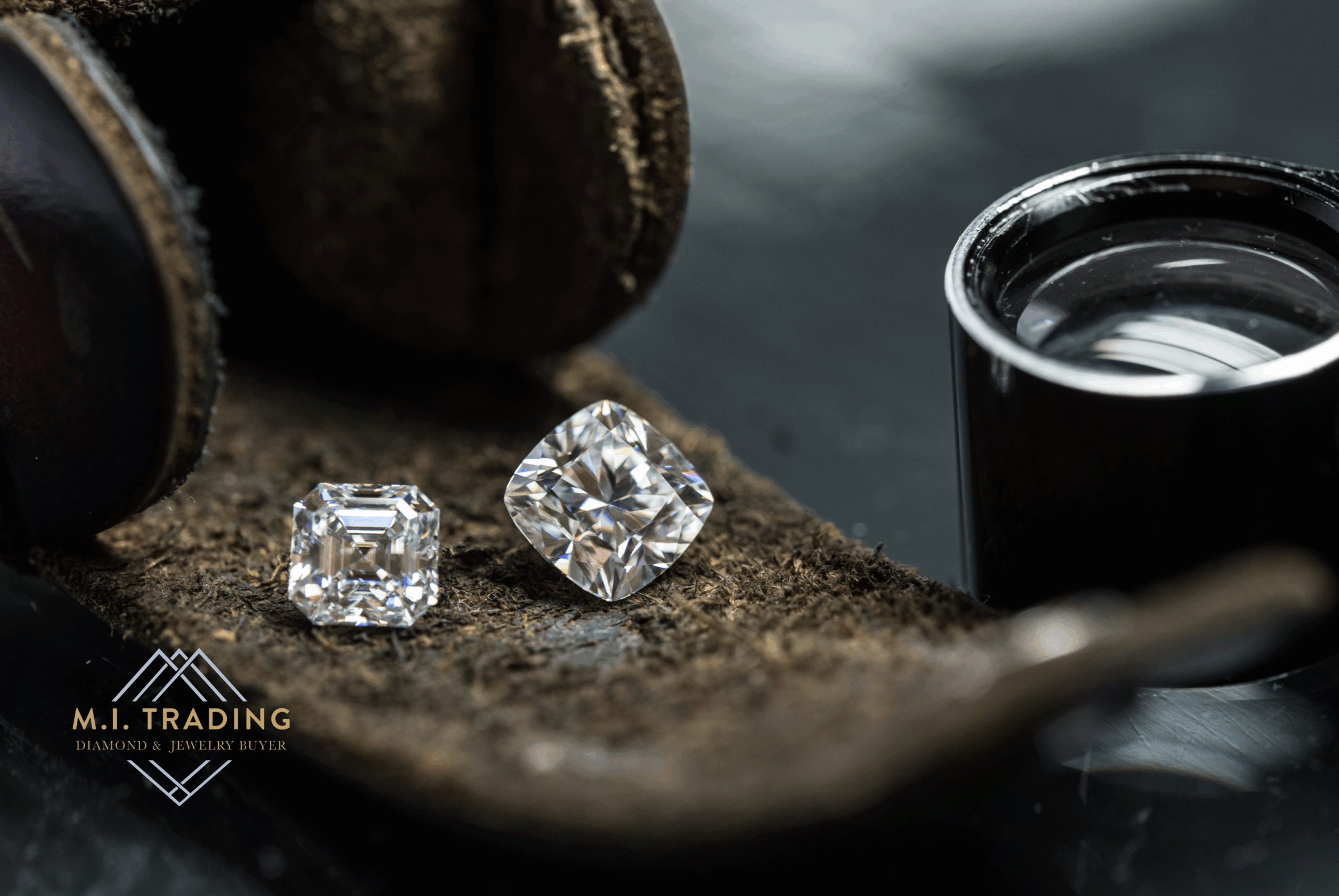
Grasping the resale value of diamonds is essential for anyone aiming to sell a diamond ring or invest in these precious gems. The value is often influenced by various factors, from grading reports to market demand. By inspecting a diamond carefully and understanding the diamond market, you can better estimate how much you can get and take steps to maximize your returns.
Key Factors That Influence the Resale Value of Diamonds
Evaluating the resale value of a diamond requires looking at more than its grade. Several other factors determine how much a buyer is willing to pay.
- Condition of the Diamond: Chips, scratches, or visible wear can sharply reduce value. Buyers consistently pay more for diamonds in excellent condition, which is why maintenance and professional cleaning help preserve resale potential.
- Certification: A report from a trusted gemological organization, such as the GIA, adds credibility and assurance. Certified diamonds provide verified details on quality, helping buyers feel confident in their purchase. Without certification, offers are often lower because of uncertainty.
- Market Trends: Diamond prices shift with global demand, economic conditions, and consumer preferences. The growing popularity of lab-grown diamonds has changed how natural diamonds are valued, creating fluctuations that sellers need to monitor.
- Shape and Setting: Popular shapes such as round brilliants tend to hold value, while trendy cuts may rise or fall with changing tastes. A timeless setting enhances appeal, and in some cases, resetting a diamond before selling can attract stronger offers.
Understanding these factors allows sellers to prepare their diamonds thoughtfully, maintain buyer trust, and position their jewelry for the best possible return.
The Four Cs: Impact on Resale Value of Diamonds
The resale value of diamonds depends on several key factors, with the 4Cs of diamonds, Cut, Color, Clarity, and Carat weight leading the way. These four standards form the basis of diamond grading and directly influence the price you can expect when selling.
Cut: The Spark of Value
Cut is often the strongest driver of a diamond’s beauty. A skillfully cut stone captures light, producing brilliance and fire that attract buyers. Even with high clarity and weight, a diamond with a weak cut loses appeal. Precision in cut translates to stronger demand and higher offers.
Color: The Scale of Purity
Diamonds range in color from D (completely colorless) to Z (noticeable yellow or brown tones). Stones closer to the colorless end of the scale stand out as premium. Buyers consistently pay more for colorless or near-colorless diamonds because they signal rarity and quality.
Clarity and Carat Weight: Imperfections and Size
Clarity measures the presence of inclusions and surface blemishes. Fewer marks create a cleaner appearance, which improves desirability. Carat weight refers to size, and larger stones remain scarce in the market. A diamond that combines size with strong clarity earns higher resale prices.
Shape: Trends That Shift Value
Shape plays an important role beyond the traditional 4Cs. Round brilliant cuts continue to hold steady value because of their classic look and universal demand. Other shapes—such as princess, oval, or emerald—rise and fall in popularity. Keeping an eye on style trends can guide expectations about resale performance.
Market Conditions: The Bigger Picture
Economic factors and shifting consumer tastes influence diamond pricing as much as gem characteristics. A thriving economy often boosts luxury purchases, while global downturns can dampen demand. The growth of online diamond marketplaces has also reshaped selling, giving sellers a wider reach and more competition at the same time.
How Market Shifts Influence Diamond Resale Value
The resale value of diamonds is never static. It moves with market changes, consumer preferences, and global trends in the jewelry industry. Sellers who understand these shifts position themselves for stronger offers.
- Demand Trends: Consumer interest drives prices. Natural diamonds have long been prized, but the growing popularity of lab-grown options has reshaped demand. This shift has created more volatility for certain natural stones, making timing an important factor when selling.
- Economic Conditions: Diamonds, like other luxury goods, reflect broader economic cycles. Strong economies often bring higher prices, while uncertain times may reduce demand. Monitoring these patterns helps sellers choose the right moment to bring diamonds to market.
- Shape Preferences: Popular shapes fluctuate over time. Round brilliants usually remain steady, while ovals, emeralds, and princess cuts rise or fall with style trends. Understanding which cuts are currently favored can improve the odds of securing a higher offer.
- Online Marketplaces: Digital platforms have expanded the buying and selling landscape. Sellers now reach a larger pool of buyers, creating both more competition and more opportunity. This broader exposure often results in better pricing, provided the diamond is well-presented with certification and strong condition.
How to Take Advantage:
- Track price indexes and diamond reports for market updates.
- Consider selling when demand for your diamond’s shape and size is high.
- Obtain certification from trusted organizations like the GIA to give buyers confidence.
- Maintain your diamond’s condition through cleaning and careful storage.
- Explore reputable local buyers alongside online platforms to compare offers.
By staying informed about changing trends and market conditions, sellers gain leverage. A clear strategy helps ensure that when the right time comes, their diamond attracts the best possible price.
The Importance of Diamond Certification
Getting your diamond certified by trusted organizations, such as the Gemological Institute of America (GIA), can greatly boost the resale value of diamonds. Certification offers an objective evaluation of a diamond’s characteristics, giving potential buyers confidence in its authenticity and quality. If you’re thinking of selling your diamond or planning on reselling your diamond jewellery, having this certification can help you secure a better price. Without proper certification, even a diamond from a branded diamond necklace might be undervalued due to doubts about its legitimacy. Whether you want to sell your diamond ring or are considering selling a diamond ring in the future, certification is key to maximizing its resale potential. On the other hand, if you’re keeping a diamond as part of your collection, certification still adds long-term value and peace of mind.
Choosing the Right Platform to Sell Your Diamond
Selecting the right platform to sell your diamond plays a key role in maximizing the resale value of diamonds. Different selling avenues cater to various types of diamonds, whether you’re dealing with a loose diamond, a colored diamond, a lab-grown diamond, or a second-hand diamond.
- Auctions: Ideal for rare or high-value stones, including unique colored diamonds. While auctions can attract competitive bids, they often come with higher fees that may affect your final profit.
- Jewelry Stores: These offer a convenient way to sell, but they might provide lower offers, especially for a second-hand diamond, due to overhead costs and the need to resell at a profit.
- Online Marketplaces: Great for reaching a wide audience, particularly for items like a loose diamond or lab-grown diamond. However, navigating online platforms requires caution to avoid scams and ensure secure transactions.
By evaluating these options, you can choose the best platform to enhance the resale value of diamonds and secure a favorable price.
Tips to Enhance Your Diamond’s Resale Appeal
Boosting the resale value of diamonds requires careful attention to detail and presentation. To make your diamond stand out to potential buyers, consider the following tips:
- Maintain Its Condition: Regular cleaning and proper storage are essential to prevent scratches or other damage. Keeping your diamonds secure in a protective case ensures they retain their brilliance and appeal. This is especially important for pieces like a diamond in an engagement ring, where wear and tear can diminish value over time.
- Obtain Certification: Certification from reputable gemological institutions not only verifies the value of a diamond but also adds credibility. Buyers are more willing to pay a premium when they trust the quality and authenticity of the stone, which can significantly enhance the resale value of a diamond.
- Provide Detailed Information: Transparency is key when selling. Offering comprehensive details about your diamond’s characteristics such as cut, clarity, and carat weight can build trust with buyers and help you get a price closer to its true worth. This is important because the majority of diamonds on the resale market vary widely in quality, and clear information can set yours apart.
By following these steps, you’ll improve the overall presentation and appeal of your diamond, ultimately securing a better price and maximizing the resale value of diamonds.
Avoiding Common Mistakes in Diamond Resale
When aiming to maximize the resale value of diamonds, it’s important to steer clear of common mistakes that can reduce your returns:
- Overestimating Value: Many sellers assume their diamond is going to fetch a high price without considering current market conditions. Unrealistic expectations often lead to disappointment, especially if the diamond drops dramatically in value due to market trends.
- Neglecting Certification: Failing to have your diamond certified by a reputable institution can deter potential buyers. Certification provides verified details about the diamond’s quality, and without it, even high-quality stones may attract lower offers. This applies to both natural and lab-grown diamonds.
- Choosing Unsuitable Selling Platforms: Selecting the wrong platform can result in lowball offers or exposure to scams. It’s crucial to pick trusted avenues for selling your diamonds to ensure you’re getting a fair deal and that your diamonds are secure during the process.
Understanding the factors that influence the resale value of diamonds and staying informed about market shifts are essential steps in achieving the best returns. While the resale value of a diamond depends on factors like quality, certification, and market demand, it’s important to remember that diamonds do have resale value when sold strategically. By avoiding common pitfalls and making informed decisions, you can enhance your chances of securing favorable outcomes in the diamond resale market.
Recent Comments